
What You'll Learn
- How attic duct leaks lead to uneven cooling
- Why longer runtimes often raise utility costs
- What a seasonal AC tune-up can reveal early
- When duct issues point to bigger system concerns
If your home or commercial property has started feeling cooler in one room and warmer in another, a seasonal AC tune-up in Pace is often one of the smartest first steps. Uneven cooling does not always mean the air conditioner itself is failing. In many cases, hidden duct leaks in the attic allow conditioned air to escape before it reaches the rooms that need it most. That can leave parts of the building undercooled, push energy bills higher, and make the system run longer than it should. A professional tune-up helps identify whether airflow loss, system wear, or a combination of issues is behind the comfort problem.
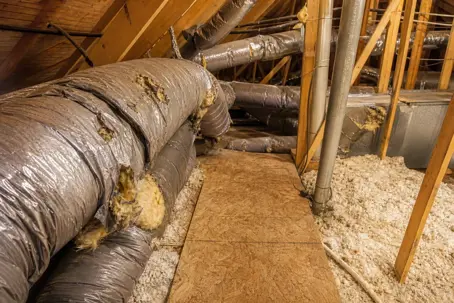
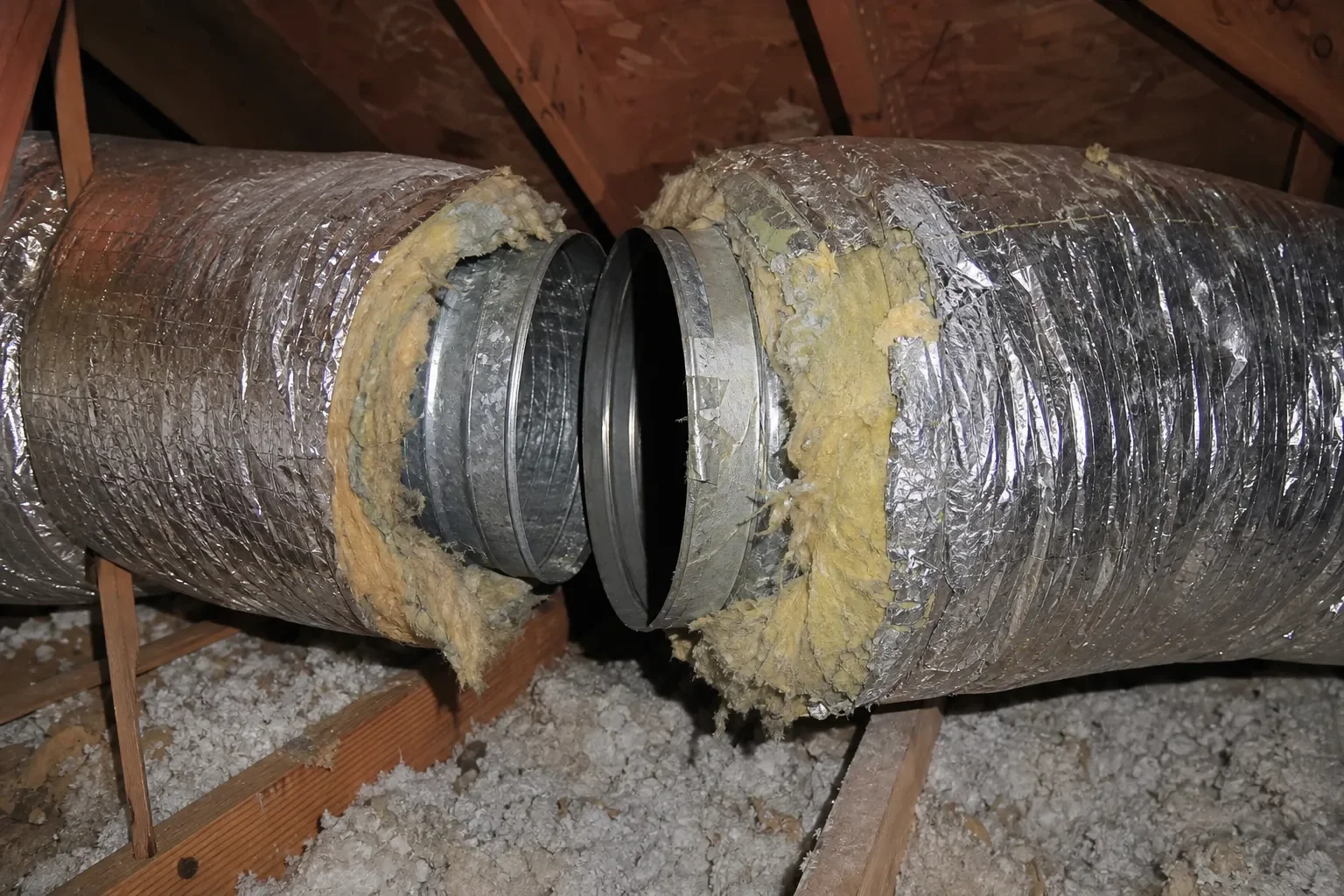
Attic duct leaks are easy to miss because they develop out of sight. Over time, joints can separate, insulation can deteriorate, and flexible duct sections can sag or tear. In a hot climate, escaping cooled air is replaced by superheated attic air around the duct system, which makes your AC work harder to maintain the thermostat setting. If you have already noticed symptoms like frequent cycling, it may help to compare them with common short-cycling causes and what a tune-up can uncover. The key point is that uneven cooling often starts as an airflow problem, not just a thermostat problem.
Why Attic Duct Leaks Change How Your Home Cools
Your duct system is supposed to deliver a measured amount of conditioned air to each room. When leaks open up in the attic, that balance changes. Rooms closest to the air handler may still feel acceptable, while rooms farther away receive less airflow and stay warm. The thermostat may continue calling for cooling because the target temperature is not being reached evenly, so the system runs longer. During a seasonal AC tune-up in Pace, a technician can look at airflow clues, temperature split, runtime behavior, and visible duct conditions to determine whether the issue is likely coming from the distribution system.
Leaks can also create pressure imbalances. When supply air escapes into the attic, the living space may pull in more unconditioned air through gaps around doors, windows, and penetrations. That extra heat and humidity can make certain rooms feel sticky or stale even when the AC appears to be operating normally. Homeowners who notice odors at startup sometimes benefit from reading how a tune-up helps sort out musty AC symptoms, because airflow and moisture issues often overlap. The tune-up process helps connect those symptoms instead of treating them as isolated complaints.
Signs Your Uneven Cooling May Be Related to Duct Leakage
- Some rooms stay consistently warmer than others
- The AC runs longer to reach the thermostat setting
- Utility bills increase without a clear explanation
- Airflow feels weak at certain supply vents
- Upper areas feel muggy even when the system is on
These signs do not confirm duct leakage by themselves, but they do point to the need for a closer inspection. A seasonal AC tune-up in Pace is valuable because it helps rule out simpler causes first, such as a clogged filter, dirty coil, blower performance issue, or thermostat calibration problem. If those items check out, the evidence may point more strongly toward attic duct leakage or poor duct layout. That is especially helpful for property owners trying to decide whether the issue is minor and correctable or part of a larger pattern of declining system performance.
Long runtimes are another clue. When cool air escapes before reaching occupied rooms, the thermostat may stay unsatisfied for extended periods. That can look similar to aging-equipment problems, which is why a tune-up is so important as a diagnostic checkpoint. If your AC seems to keep operating well into the evening, you may recognize some overlap with the reasons an AC can keep running after sunset. The difference is that with duct leakage, the system may be producing cooling correctly but failing to deliver it effectively where it is needed.
What a Seasonal AC Tune-Up Can Tell You
A thorough tune-up is not just routine maintenance. It is also an opportunity to evaluate how the entire cooling process is performing. For uneven cooling complaints, the technician can inspect accessible duct connections, check static pressure indicators, assess airflow at registers, examine insulation condition around attic duct runs, and compare operating data with the comfort issues you are reporting. This makes a seasonal AC tune-up in Pace especially useful when the source of the problem is not obvious.
Why start with a tune-up?
A tune-up helps separate duct-related airflow loss from equipment-related cooling problems, so you can make a better repair decision based on evidence instead of guesswork.
In many cases, the tune-up findings can also help you understand whether the issue is isolated or part of a broader trend. For example, if the system is short cycling, has weak airflow, and shows signs of age-related inefficiency, the conversation may go beyond basic maintenance. That is why many property owners also review timing considerations before replacing an older system and how to tell when a tune-up is enough versus when bigger updates may be worth discussing. Even when the final solution is straightforward, the tune-up gives you a clearer starting point.
When Duct Problems Are the Main Issue
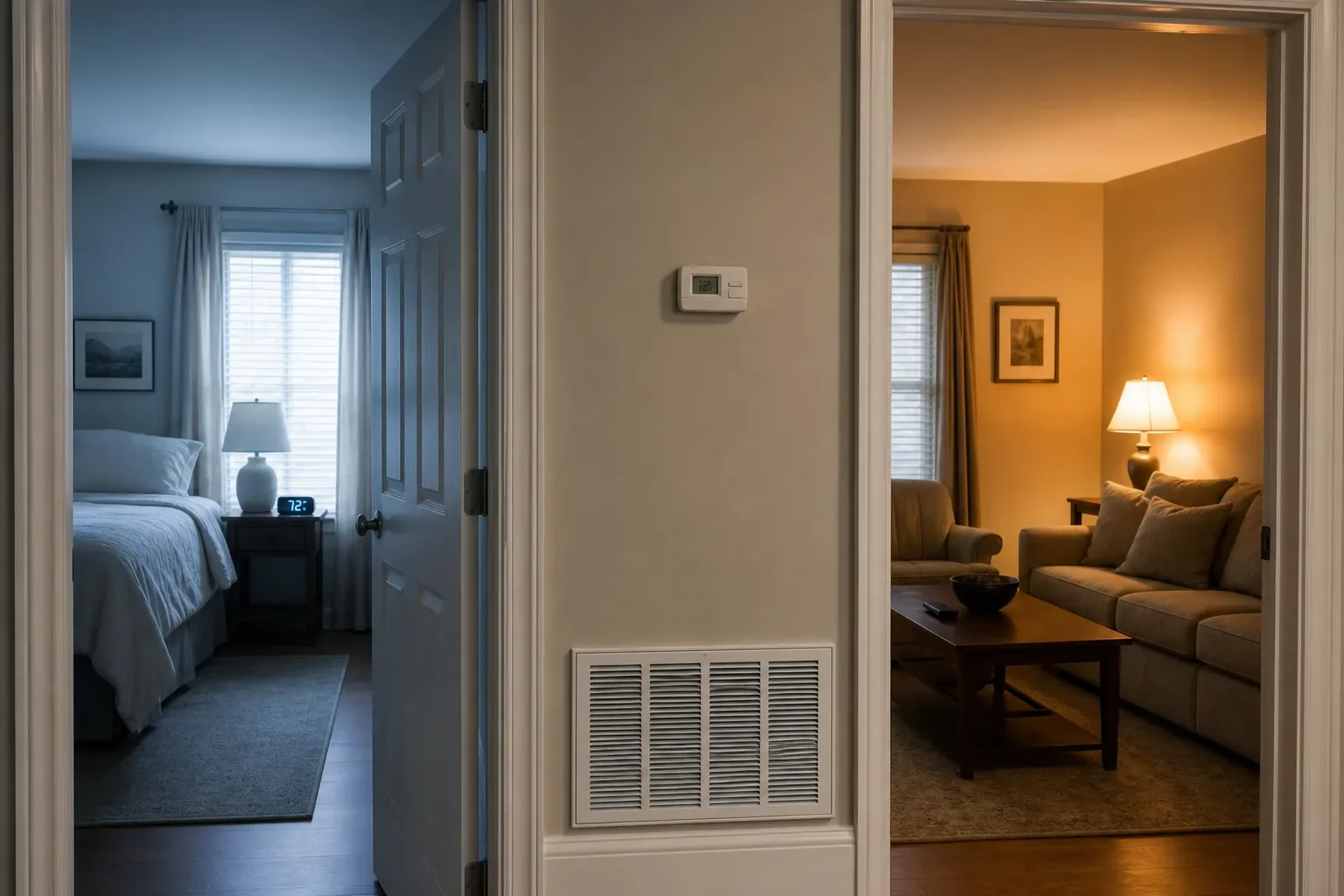
If the air conditioner is producing an appropriate temperature drop but specific rooms still lag behind, duct leakage becomes a stronger suspect. In that situation, a tune-up can support the case for targeted duct repair by documenting airflow imbalance and identifying where conditioned air may be escaping. This is often the most sensible path when the equipment is otherwise in decent condition and comfort issues are concentrated in certain areas rather than affecting the whole property equally.
That distinction matters because uneven cooling after a remodel, room conversion, or layout change can sometimes be misunderstood. You may find useful context in what can cause uneven cooling after interior changes or in why some rooms stay hot even after other AC issues seem resolved. In both cases, the underlying lesson is the same: if the air is not being delivered properly, the system can appear inconsistent even when major components are still functioning.
When a Tune-Up Suggests a Bigger Conversation
Sometimes a seasonal AC tune-up in Pace reveals that duct leakage is only part of the picture. An older system may already be struggling with capacity, blower performance, or wear that makes it less able to overcome duct losses. In those cases, sealing or repairing ducts may still help, but it may not fully resolve comfort complaints on its own. The value of the tune-up is that it helps you understand whether you are dealing with one correctable bottleneck or several compounding issues.
That is also why undercooling should not be judged by room temperature alone. If the system has chronic runtime issues, recurring comfort complaints, and visible signs of age, a maintenance visit may naturally lead to a broader planning discussion. Even then, the tune-up remains the right first move because it provides a factual baseline. Instead of guessing, you can make decisions based on measured performance, condition, and airflow behavior specific to your property.
Why Early Attention Matters
Ignoring uneven cooling can lead to more than comfort problems. Longer runtimes increase operating costs and can add wear to key components. Escaping air in the attic also means you are paying to cool an area that does not need it, while occupied rooms continue to feel inconsistent. Scheduling a seasonal AC tune-up in Pace early can help catch those issues before they contribute to avoidable strain. For homeowners and local business owners alike, that makes maintenance a practical step toward better comfort, efficiency, and planning.
If your property in Pace has started cooling unevenly, a seasonal AC tune-up is a smart way to find out whether attic duct leaks are affecting airflow or whether larger system concerns may need to be discussed. Save Now Cooling Cooling can help evaluate the symptoms, identify likely causes, and give you a clearer path forward based on how your system is actually performing.