
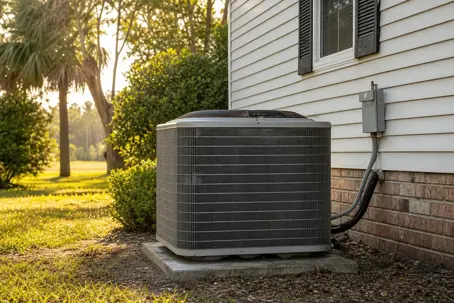
What You'll Learn
- Why older systems often struggle most during late afternoon heat
- What warning signs suggest replacement is more reliable than repair
- How to spot hidden efficiency and comfort problems early
- When replacement can reduce repeat breakdown risk in Milton
When a cooling system seems acceptable in the morning but loses ground as the day heats up, homeowners and property managers often assume that is just normal summer behavior. In reality, that pattern can be an early sign that central air replacement in Milton deserves serious consideration. As outdoor temperatures rise, older systems have to work harder for longer cycles, and small performance issues that stay hidden during mild morning conditions can become obvious by late afternoon. For many properties in Milton, the question is not simply why comfort drops later in the day, but whether continued repairs still make sense compared with a more dependable long-term replacement strategy.
Late-day cooling struggles usually point to a system that no longer has enough effective capacity for real-world demand. Age, declining efficiency, worn components, airflow limitations, and heat-related electrical stress can all contribute. If you have already wondered whether timing matters, it helps to review the best time of year for HVAC replacement in Milton so you can plan before a failing system leaves the building uncomfortable at the worst possible moment.
Why Morning Performance Can Be Misleading
In the morning, the structure has not yet absorbed a full day of heat. Attics, roofs, walls, windows, and interior surfaces are all starting from a lower temperature, so the cooling load is lighter. An aging system may appear to be working well because it can still handle that reduced demand. By late afternoon, however, the building shell is hotter, solar gain is higher, and indoor activity may also be adding heat. At that point, a marginal system can no longer keep up, even if it technically still turns on and produces cool air.
This is one reason property owners delay central air replacement in Milton. They see a unit that runs, cools somewhat, and recovers overnight, so the system seems good enough. But a system that only performs under lighter conditions is already showing its limits. If you are weighing whether the issue is temporary or part of a larger decline, it can help to look at what to check before calling for central air replacement in Milton so you can identify patterns that point toward replacement instead of another short-term fix.
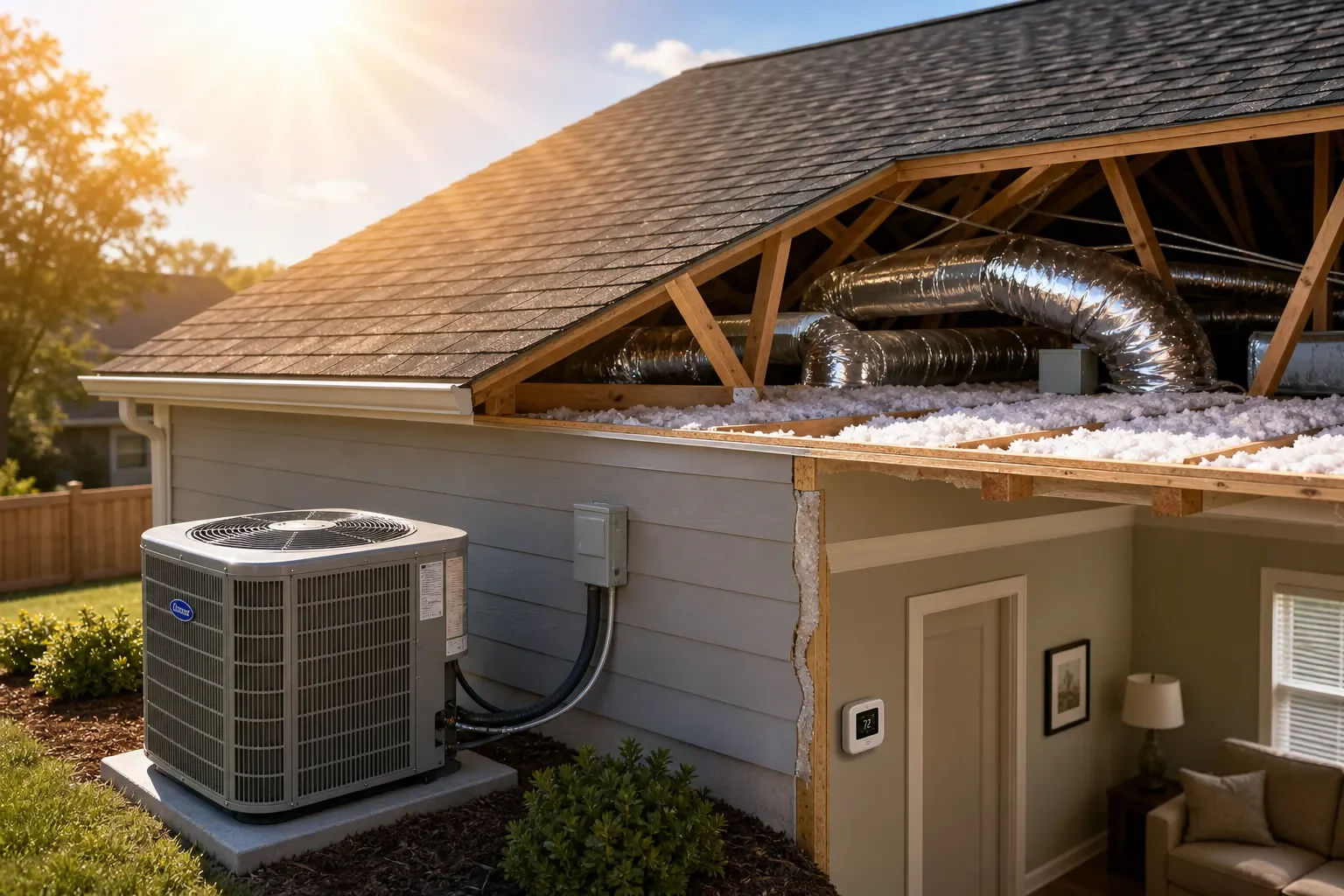
What Homeowners and Business Owners Should Notice Before Comfort Drops
There are usually clues before a property becomes obviously uncomfortable. One common sign is longer run times in the afternoon without reaching the thermostat setting. Another is uneven cooling, where rooms farther from the thermostat grow warmer as the day progresses. You may also notice the indoor environment feels heavier or less comfortable even when the temperature number does not look dramatically different. These signs suggest the system is losing its ability to manage peak demand efficiently.
- The system runs much longer after lunch than it does in the morning
- Indoor temperatures slowly drift upward during peak heat
- Some rooms become stuffy or warm by late afternoon
- The unit cycles less efficiently and seems louder under strain
- Energy use rises while comfort becomes less consistent
Physical condition matters too. Corrosion, rust, and visible wear around the outdoor equipment often indicate a system that has been exposed to years of stress. If that sounds familiar, you may want to read about why HVAC replacement becomes the safer investment when rust starts around the outdoor unit. The location name in that article may differ from your property, but the warning signs are highly relevant when assessing whether aging equipment in Milton is still a reliable asset.
Why Older Systems Struggle Most in Peak Afternoon Heat
As a system ages, wear reduces how effectively it can move heat out of the building. Components may still function, but not at the same level they once did. The result is a unit that can maintain acceptable conditions during easier hours yet falls behind when the hottest part of the day arrives. Electrical components may overheat, compressors may labor harder, and the entire system may lose efficiency exactly when you need the most from it. This is why late-afternoon decline is often less about one isolated symptom and more about overall system exhaustion.
Breaker trips can be another sign of this stress pattern. A unit that draws more power as temperatures rise may be telling you that repair after repair is no longer the right path. If that issue is part of what you are seeing, consider this guide on when repeated breaker trips make central air replacement make sense. It aligns closely with what many property owners in Milton experience as older systems approach the end of their practical service life.
Key insight
A system that cools adequately in the morning but cannot hold temperature by late afternoon is often showing capacity loss, not just a one-day fluctuation.
When Repeated Repairs Stop Being the Reliable Option
Repair decisions should be judged by more than whether a technician can temporarily restore operation. The more important question is whether the system can be trusted to handle ongoing peak demand in Milton. If the same comfort complaints keep returning, if the building never feels as stable as it once did, or if each hot spell exposes another weakness, replacement often becomes the more practical investment. A repair may solve one failed part, but it does not reverse system age, restore lost efficiency, or erase wear across the rest of the equipment.
Many owners wait until a full failure forces the issue, but planning ahead usually creates a better outcome. For a broader view of timing, warning signs, and risk reduction, it is useful to review the warning signs you need central air replacement in Milton before your AC fails. The sooner late-day performance decline is recognized as a replacement signal, the easier it is to make a calm, informed decision instead of reacting during an uncomfortable emergency.
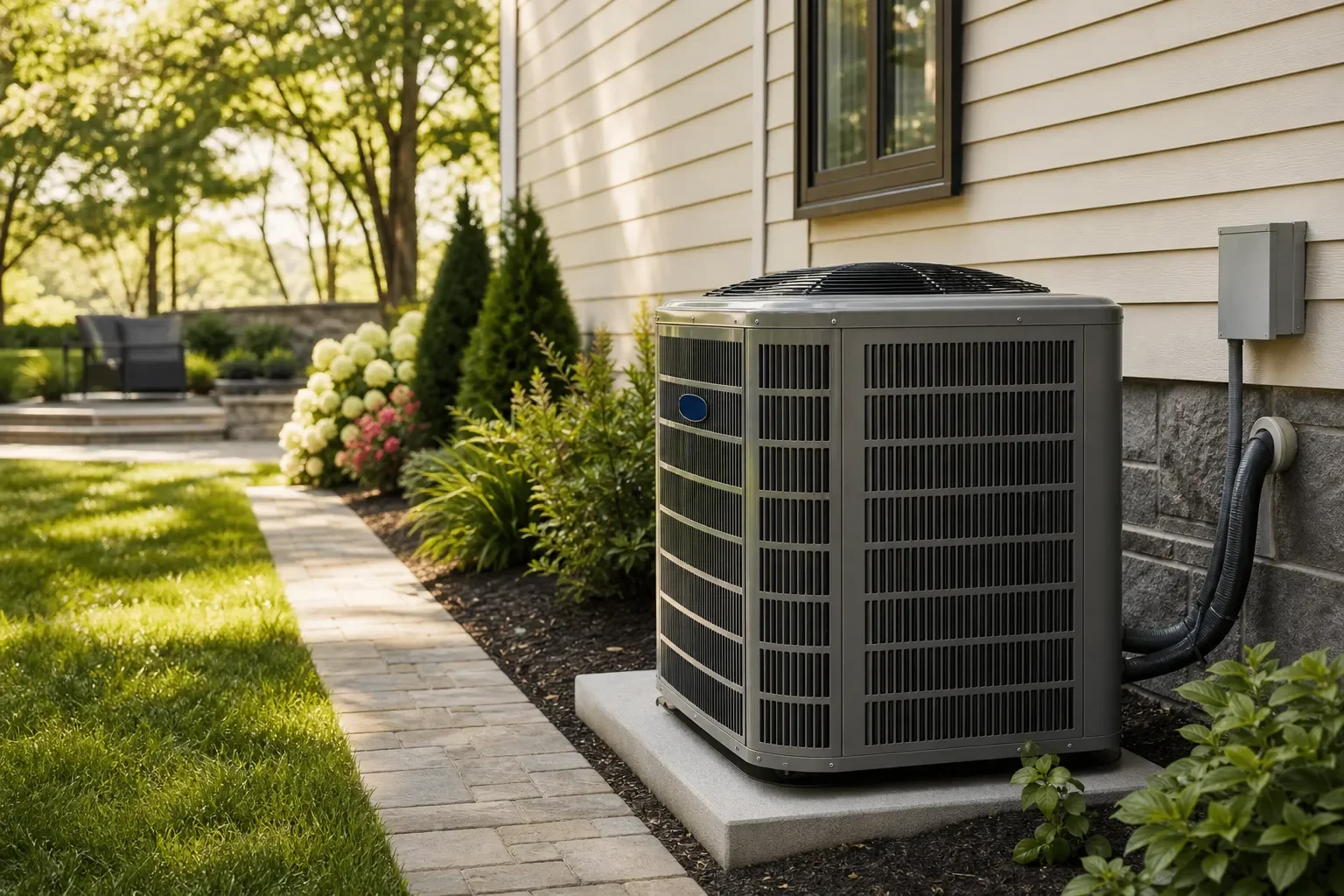
How Replacement Improves Reliability During Peak Demand
Central air replacement in Milton is about more than installing new equipment. It is a chance to restore dependable cooling performance during the hours when the property needs it most. A properly selected replacement system is better positioned to maintain steady temperatures, run more efficiently under load, and reduce the cycle of recurring breakdowns that often affects older units. For homeowners, that means better comfort consistency. For local business owners, it means a more stable indoor environment for staff, customers, and daily operations.
Replacement can also help when comfort issues overlap with moisture and indoor air feel. Even when a system still cools, poor overall performance may leave the building feeling clammy or uneven by late afternoon. While this article is focused on replacement, it may help to understand why a system can cool but still leave indoor humidity high, because those symptoms often appear alongside the same age-related decline that leads owners in Milton to choose central air replacement.
What to Evaluate Before Moving Forward
Before deciding, look at the full pattern rather than one repair bill alone. Consider the age of the equipment, how often performance falls off in the afternoon, whether comfort complaints are becoming more common, and whether the system now feels unpredictable during hotter stretches. Business owners should also think about occupancy comfort and operational disruption, especially if cooling inconsistency affects customers or work areas. If you manage a commercial property, you may also find value in this overview of what business owners should look for before hiring a contractor as you compare experience, communication, and professionalism.
The goal is to determine whether the system is merely having an isolated issue or whether it has entered a stage where peak-heat performance will continue to decline. In many Milton properties, that answer becomes clear when a unit repeatedly starts the day seeming normal and ends it struggling to maintain comfort. At that point, replacing the system is often the better path to dependable cooling rather than continuing to invest in a unit that can no longer meet afternoon demand with confidence.
Conclusion
If your system seems fine in the morning but fades by late afternoon, that is a meaningful warning sign rather than something to ignore. Rising daily heat often exposes the hidden limits of aging equipment, and repeated performance drops can signal that central air replacement in Milton is the smarter long-term choice. For homeowners and business owners alike, recognizing these patterns early can help prevent bigger comfort problems, reduce repeat repair frustration, and lead to a more reliable cooling solution through well-timed central air replacement in Milton.