
.png.2609090931117.webp)
What You'll Learn
- Learn the most common causes of musty AC smells at startup
- See how moisture and dirt create odor problems in AC systems
- Understand when a tune-up can reveal a simple fix
- Know when aging equipment may make bigger decisions necessary
- Find out why local conditions in Pace can worsen AC odors
If your air conditioner releases a musty smell the moment it starts, a seasonal AC tune-up in Pace is one of the smartest ways to find the cause before the issue worsens. For homeowners and business owners in Pace, that damp, stale odor is often a warning sign that moisture, buildup, or aging parts are affecting system performance. While the smell itself may seem minor at first, it can point to conditions that reduce comfort, strain equipment, and make indoor air feel unpleasant every time the system cycles on.
In many cases, the odor is not coming from just one obvious source. Condensation, dust on coils, biological growth in dark damp areas, and wear inside older equipment can all contribute. A professional inspection during a seasonal AC tune-up helps narrow down where the smell begins, how severe the underlying problem is, and whether the issue is likely to respond to cleaning and adjustment or whether the system is showing signs of deeper decline. If you have also noticed short cycling, this guide on AC short cycling and tune-up warning signs offers helpful context on how multiple symptoms can point to a larger pattern.
Why Musty AC Smells Commonly Show Up at Startup
A musty odor often appears most strongly at startup because the system has been sitting between cooling cycles. During that off period, moisture can linger on the evaporator coil, in the drain area, or around insulation near the air handler. When the unit turns back on, the first burst of airflow pushes that odor into the living or working space. In a humid environment like Pace, this pattern is especially common because AC systems work hard for long stretches and handle a steady moisture load throughout the cooling season.
The smell can also become more noticeable when airflow is restricted. Dust and debris trapped around key components hold moisture and create an ideal environment for stale odors to develop. A seasonal AC tune-up in Pace is designed to check these areas, evaluate drainage, inspect coil condition, and identify whether the odor is tied to maintenance-related issues or to age-related deterioration. Homeowners who want to avoid sudden breakdowns may also benefit from reading how tune-ups help prevent emergency cooling problems, since neglected systems often show early warning signs before a major failure.
- Moisture lingering on the evaporator coil
- Debris buildup in the condensate drain area
- Dirty filters or interior dust accumulation
- Wet insulation or surrounding materials near the air handler
- Aging components that no longer dry out efficiently between cycles
The Most Common Causes a Tune-Up Can Reveal
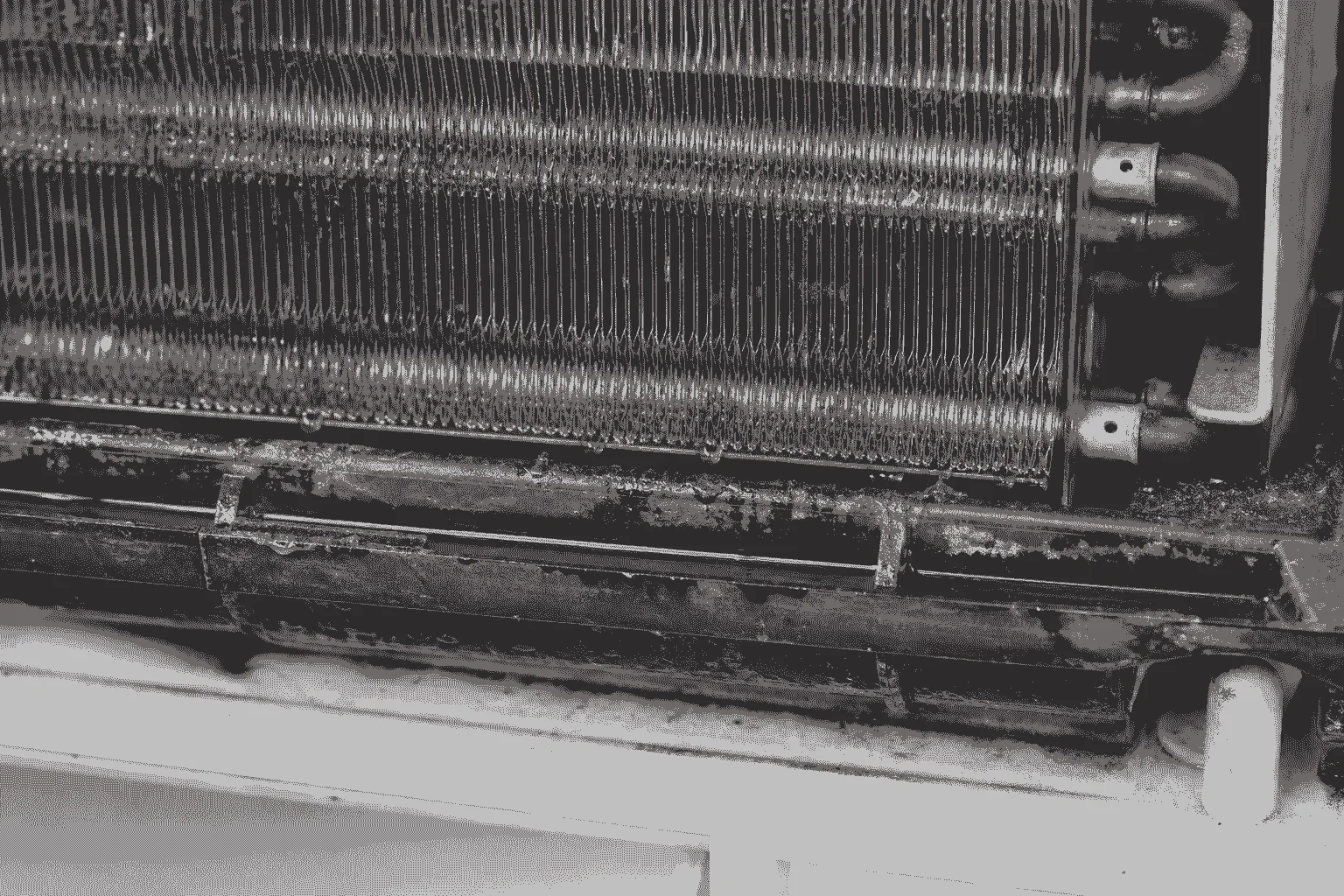
One of the biggest advantages of a seasonal AC tune-up in Pace is that it helps separate surface-level odor complaints from the actual mechanical or maintenance issue behind them. A dirty evaporator coil is a frequent culprit. As air passes over the coil, dust can stick to damp surfaces and begin to smell over time. If the condensate drain is partially clogged, standing water may remain in the system longer than it should, increasing the chance of musty odors every time cooling begins.
Another common issue is poor overall system cleanliness combined with heavy use. Even when a system still cools, neglected maintenance can allow grime to collect in places that homeowners never see. During a tune-up, a technician can inspect accessible components, verify airflow, and determine whether the odor is likely tied to buildup rather than a more serious failure. If your system is older and you are weighing how much more maintenance makes sense, this article on tune-up timing before replacing an older system is a useful companion read.
How Aging Equipment Changes the Picture
Not every musty smell points to a simple maintenance correction. In some systems, repeated odor issues happen because internal components are aging, insulation has degraded, or the equipment no longer manages humidity as effectively as it once did. In those situations, a tune-up becomes valuable not because it promises to erase every odor, but because it gives you a clearer picture of the system’s remaining condition. That information helps you avoid guessing and supports a smarter decision about whether continued upkeep is worthwhile.
This is especially important when odor complaints appear alongside uneven cooling, rising energy use, or frequent cycling. Related symptoms can indicate that the system is not just dirty but struggling. To understand how professionals compare ongoing maintenance with larger system decisions, review this post on when a tune-up is enough versus when a larger change makes more sense. While every property is different, the key point is that a tune-up provides the evidence needed to make a practical next move.
Why Local Conditions in Pace Make Odor Problems More Likely
Humidity is a major factor in why odor complaints are so common in Pace. Air conditioners remove moisture as they cool, but when conditions stay damp for extended periods, any weakness in drainage, cleaning, or airflow becomes easier to notice. A system that is slightly dirty or marginally aging may still cool the space, yet the extra moisture exposure can make musty smells show up faster and more often than owners expect.
That is why regular seasonal AC tune-up in Pace service is not just about checking boxes. It is about catching small moisture-related issues before they turn into comfort complaints or reliability problems. If some areas of your property also feel warmer than others, this article on stubborn hot rooms and underlying airflow issues can help you understand how odor and comfort symptoms sometimes overlap. And if you are starting to wonder whether an aging system is still the right fit, this discussion of uneven cooling and bigger long-term solutions adds another useful perspective.
When a Tune-Up Is the Right First Step
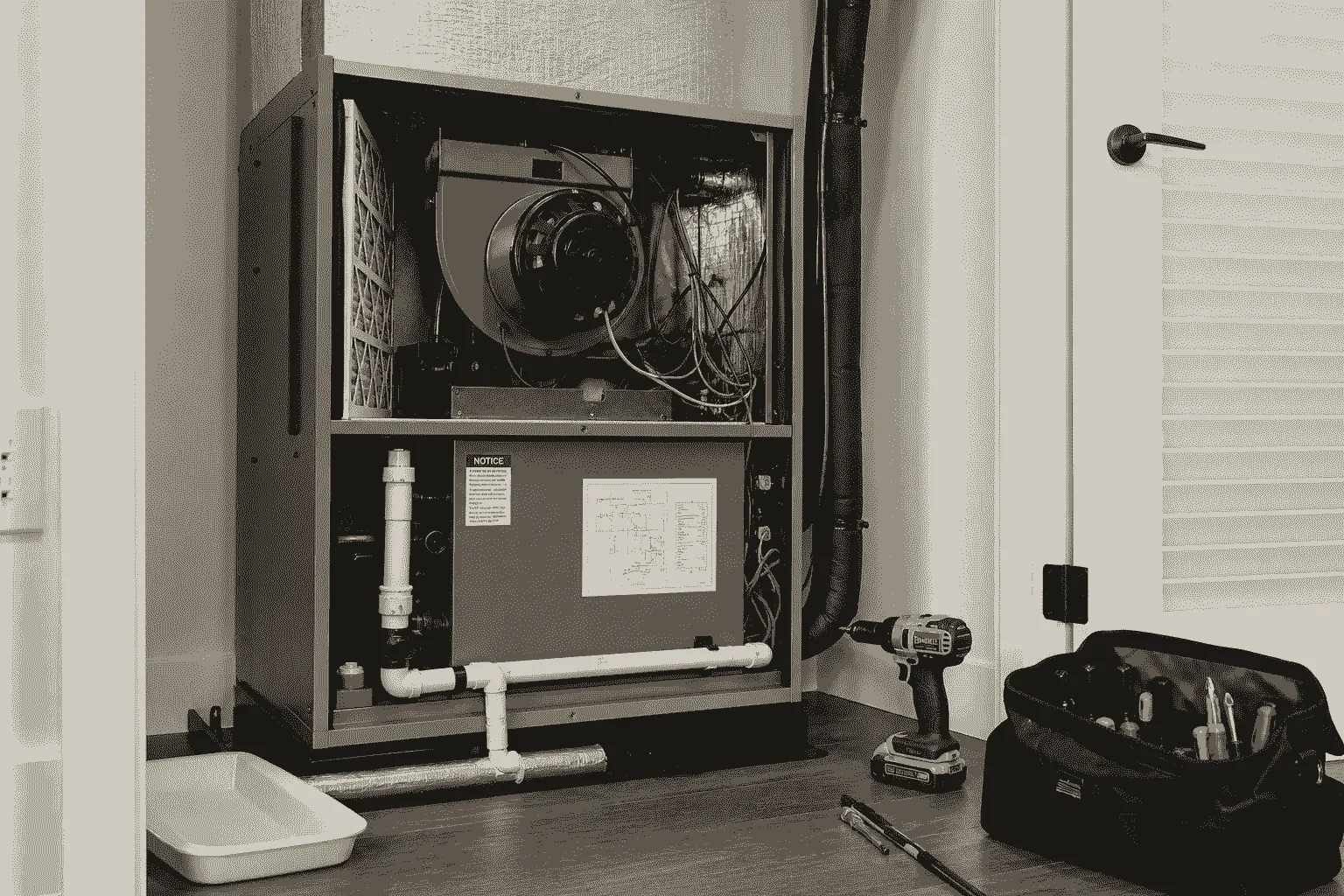
For most properties, the right first step is a professional tune-up rather than an assumption about the cause. If the odor is recent, appears mainly at startup, and has not been accompanied by major performance problems, a tune-up can often reveal a manageable issue such as coil contamination, drainage concerns, or overdue maintenance. It also gives you the chance to correct small deficiencies before they lead to more expensive wear on the system.
A tune-up is also valuable when you are trying to avoid reactive decisions. Many owners wait until the smell becomes severe or the unit stops performing well, but that approach reduces your options. Early inspection helps you plan instead of scramble. If you are comparing warning signs and trying to understand cost-related concerns tied to larger cooling issues, you may also want to read this overview discussing emergency cooling cost considerations and this related post on compressor-related cost questions, both of which show why identifying root causes early matters.
Signs the Odor May Reflect a Bigger Reliability Problem
- The musty smell returns quickly after filter changes
- Cooling performance has become inconsistent
- Humidity indoors feels harder to control
- The system cycles more often or runs longer than before
- The equipment is older and has developed multiple recurring issues
When musty odors show up with these broader symptoms, a tune-up becomes even more important because it helps determine whether the smell is one isolated maintenance issue or part of a larger decline. In some cases, the inspection may show that the system can still be cleaned, adjusted, and monitored confidently. In others, the findings may suggest that repeated odor complaints are linked to wear that makes long-term reliability less certain. Either way, the tune-up gives you a factual basis for deciding what comes next.
If your unit has also begun experiencing electrical or performance problems, this article on breaker trips and replacement considerations can help you see how odor issues sometimes appear alongside more serious operational stress. The goal is not to jump to the biggest solution, but to use the results of a seasonal AC tune-up in Pace to make a decision based on condition, efficiency, and reliability rather than guesswork.
Conclusion
A musty AC smell at startup is easy to ignore, but it often signals moisture, buildup, or aging components that deserve attention. Scheduling a seasonal AC tune-up in Pace helps identify the true source of the odor, clarify whether the issue is minor or more complex, and protect your comfort before the problem grows. For property owners in Pace, a timely tune-up is the most practical way to turn an unpleasant smell into a clear, informed plan for the system you rely on every day.