
What You'll Learn
- Understand the most common causes of AC short cycling
- Learn what a seasonal AC tune-up can reveal early
- Know when a repair may solve the issue
- Recognize signs that replacement may be the smarter next step
If your air conditioner keeps turning on and off every few minutes, it is not just annoying—it is a warning sign that deserves attention. For homeowners and business owners scheduling a seasonal AC tune-up in Pace, short cycling is one of the most important performance issues to catch early because it can increase wear, reduce comfort, and raise energy use. In many cases, a tune-up can uncover a straightforward cause. In others, the findings from a professional inspection may show that the system is nearing the point where replacement makes more financial sense than repeated repairs.
Short cycling means your AC starts, runs briefly, shuts off, and then starts again sooner than it should. A properly operating system should complete longer, steady cooling cycles that remove heat and humidity effectively. In a climate like Pace, where air conditioners work hard for long stretches, frequent short cycles can quickly lead to comfort problems and component strain. A seasonal AC tune-up in Pace is designed to evaluate the system as a whole so the root cause is not missed.
Why Short Cycling Should Not Be Ignored
When an AC short cycles, it uses extra electricity at startup, puts stress on electrical and mechanical parts, and often fails to control indoor humidity well. That means rooms may feel clammy even when the thermostat setting looks correct. Over time, what began as a small issue—such as a thermostat calibration problem or a dirty filter—can contribute to more expensive breakdowns. That is one reason many property owners use a seasonal AC tune-up in Pace to catch operating issues before they escalate. If you want a broader view of how preventive service helps reduce major summer problems, see how seasonal AC tune-up service helps homes avoid emergency repairs.
Common Causes of AC Short Cycling
1. Thermostat problems
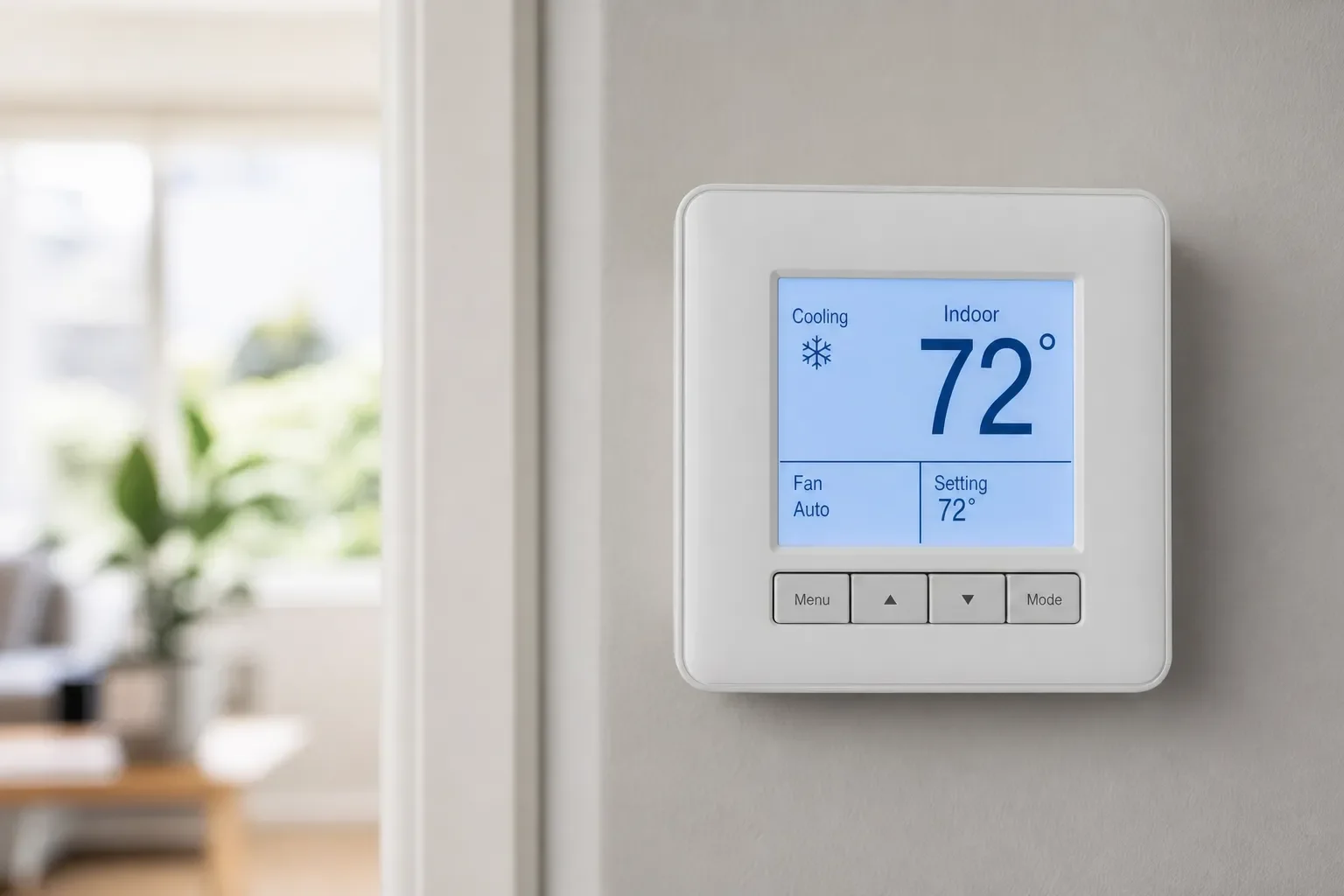
The thermostat is often the first place to look. If it is installed in a spot that heats up faster than the rest of the building—such as near a sunny window or a heat-producing appliance—it may tell the AC to shut off too soon. Wiring issues, weak batteries, bad calibration, or an aging thermostat can also create erratic signals. During a seasonal AC tune-up in Pace, a technician can compare thermostat readings to actual room conditions and verify whether the control is communicating correctly with the system.
2. Airflow restrictions
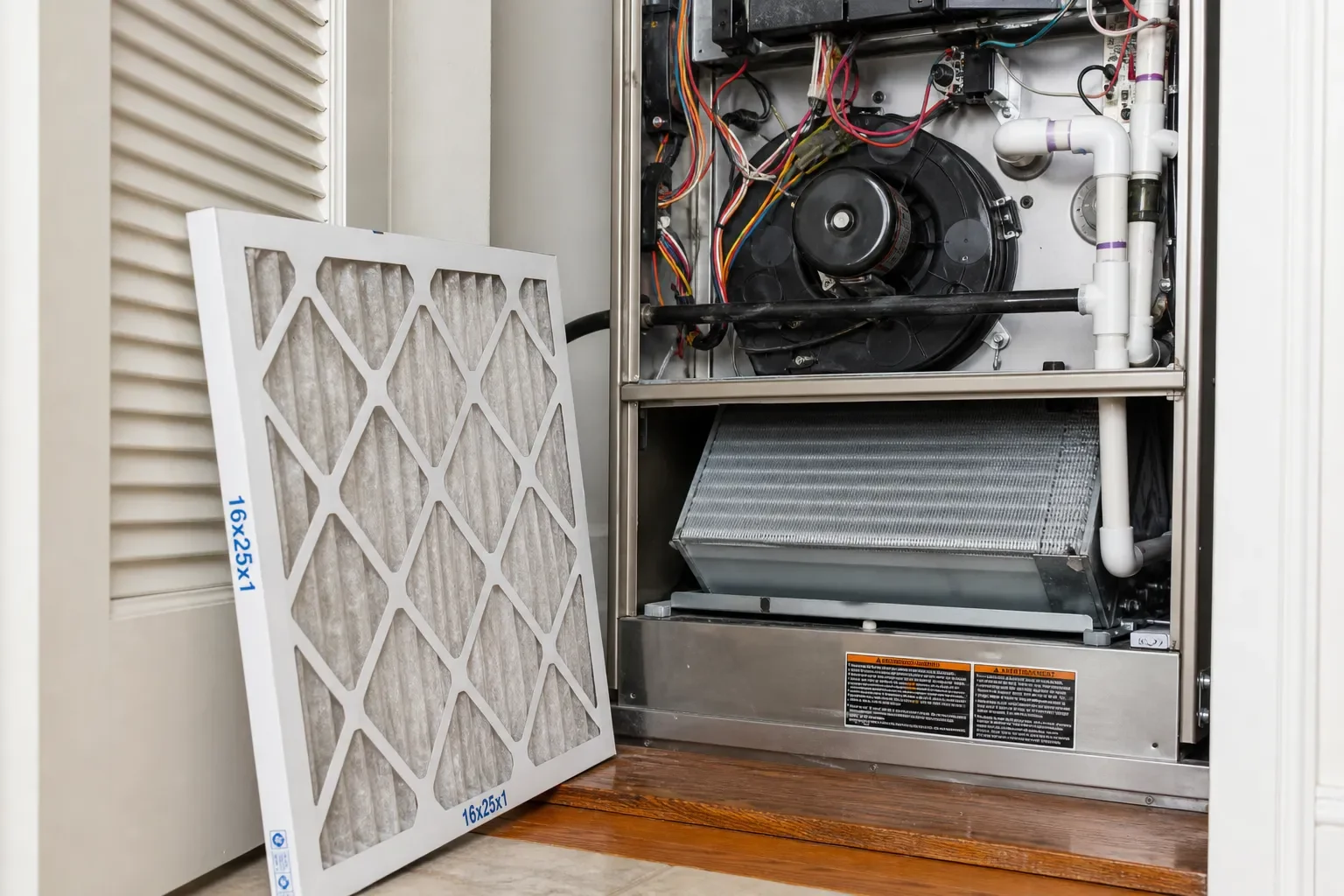
Restricted airflow is another frequent cause. A clogged air filter, blocked return, dirty indoor coil, or collapsed duct section can reduce the amount of air moving across the system. When that happens, temperatures inside the equipment can shift outside normal range and trigger shutdowns. Poor airflow can also make the AC cool unevenly, causing the thermostat to satisfy too quickly in one area while the rest of the property stays uncomfortable. This is exactly the kind of issue a seasonal AC tune-up in Pace is meant to identify before it turns into a more serious repair need.
3. Refrigerant problems
Low refrigerant charge, leaks, or other refrigerant-related faults can also lead to short cycling. An AC depends on the correct refrigerant level to absorb and release heat efficiently. If the charge is off, the system may struggle to complete a normal cooling cycle and protective controls may shut it down. Because refrigerant issues affect efficiency, comfort, and compressor health, they should always be evaluated by a qualified professional. If you are comparing symptoms and repair urgency, you may also find it helpful to review how emergency AC repair cost concerns can escalate when problems are delayed and how compressor-related problems often become more expensive when the system keeps running under stress.
4. An oversized air conditioner
Sometimes the issue is not a failing part but the size of the equipment itself. An oversized AC can cool the space too quickly and shut off before it has removed enough humidity. That leads to frequent starts and stops, uneven temperatures, and a home or business that feels cool but damp. No amount of basic maintenance can change the sizing of the unit, but a seasonal AC tune-up in Pace can reveal patterns that suggest the equipment is larger than the property needs. When short cycling has been present for years and comfort has never felt quite right, replacement may need to be part of the discussion.
What a Seasonal AC Tune-up Can Reveal
A thorough seasonal AC tune-up in Pace helps separate simple fixes from deeper system problems. During service, a technician can inspect controls, verify airflow, check electrical components, measure temperature performance, and look for signs of refrigerant or coil issues. This process matters because short cycling can have more than one cause at the same time. For example, a system may have both a dirty filter and a thermostat issue, or an airflow problem combined with an aging compressor. If you want to understand what homeowners are often advised to review before moving toward major system decisions, read what to check before calling for an AC diagnostic.
- Thermostat placement, settings, and response
- Filter condition and visible airflow restrictions
- Indoor and outdoor coil cleanliness
- Electrical connections and startup behavior
- Signs of refrigerant imbalance or component stress
When Short Cycling May Be Fixable With Repair
Many short cycling cases can be corrected without replacing the entire system. If the problem is tied to a clogged filter, minor airflow restriction, thermostat issue, loose electrical connection, or a maintenance-related performance drop, a targeted repair after a seasonal AC tune-up in Pace may restore normal operation. This is especially true when the unit is otherwise cooling effectively, has a consistent maintenance history, and has not been showing repeated warning signs over time.
Property owners should also pay attention to how long the symptom has been present. A newer problem that appeared suddenly may point to a single faulty control or airflow issue. A long-term pattern of poor humidity control, uneven comfort, and repeated service visits can suggest a more systemic problem. For additional context on the kinds of warning signs that often indicate a system is moving beyond simple correction, see seven warning signs your central AC may need replacement.
When a Professional Diagnostic May Point to Replacement
There are times when a seasonal AC tune-up in Pace uncovers evidence that repair is only a short-term answer. Replacement may be worth considering when short cycling is linked to chronic refrigerant problems, major compressor stress, repeated electrical failures, or an oversized system that has never operated correctly for the space. If the equipment is older and the cost of correcting the underlying issue is high relative to the value of the system, continuing to repair it may not be the best long-term choice.
Another clue is when short cycling comes with other persistent symptoms, such as warm air periods, weak comfort, or rising operating costs. While every property is different, a tune-up gives you a more informed starting point for deciding whether repair is practical or whether replacement planning is the better investment. Related reading such as why an AC may blow warm air and when it is time to act and a pre-season AC tune-up checklist before peak heat can help you better understand how recurring symptoms often connect.
Signs It Is Time to Schedule Service Now
- Your AC turns on and off every few minutes
- Indoor humidity feels high even when the air seems cool
- Some rooms stay uncomfortable while others cool quickly
- Your energy bills have climbed without another clear reason
- You hear repeated startup sounds throughout the day
If you notice one or more of these symptoms, delaying service usually increases the chance of additional wear. A prompt seasonal AC tune-up in Pace can help protect comfort, improve efficiency, and clarify whether the issue is a manageable repair or a sign that the system is nearing the end of its useful life.
Conclusion
Short cycling is one of the clearest signals that your air conditioner needs attention, but the cause is not always obvious without a full inspection. Thermostat errors, airflow restrictions, refrigerant problems, and oversized equipment can all trigger the same on-and-off behavior. That is why a seasonal AC tune-up in Pace is such a valuable first step: it helps identify whether the problem can be corrected with a focused repair or whether the findings point toward replacement as the smarter long-term move. For property owners in Pace, acting early can reduce strain on the system and help restore more reliable comfort before the hottest weather puts it under even more pressure.