
What You'll Learn
- See how coastal conditions increase AC stress and failure risk
- Learn when routine care helps prevent emergency breakdowns
- Understand warning signs that call for fast repair action
- Find out how maintenance habits may help protect warranties
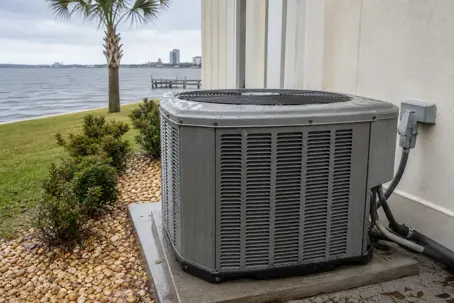
For property owners researching emergency AC repair in Pensacola, timing matters more than many people realize. While tune-ups are designed to help prevent sudden failures, Pensacola’s coastal climate creates unique strain on air conditioning systems: salt-laden air can accelerate corrosion, heavy humidity can increase system workload, and the long cooling season means components run hard for much of the year. That combination makes it especially important to understand how often your system should be checked, what warning signs should never be ignored, and when delaying service can turn a manageable issue into a true emergency.
Why Pensacola Systems Need Closer Attention
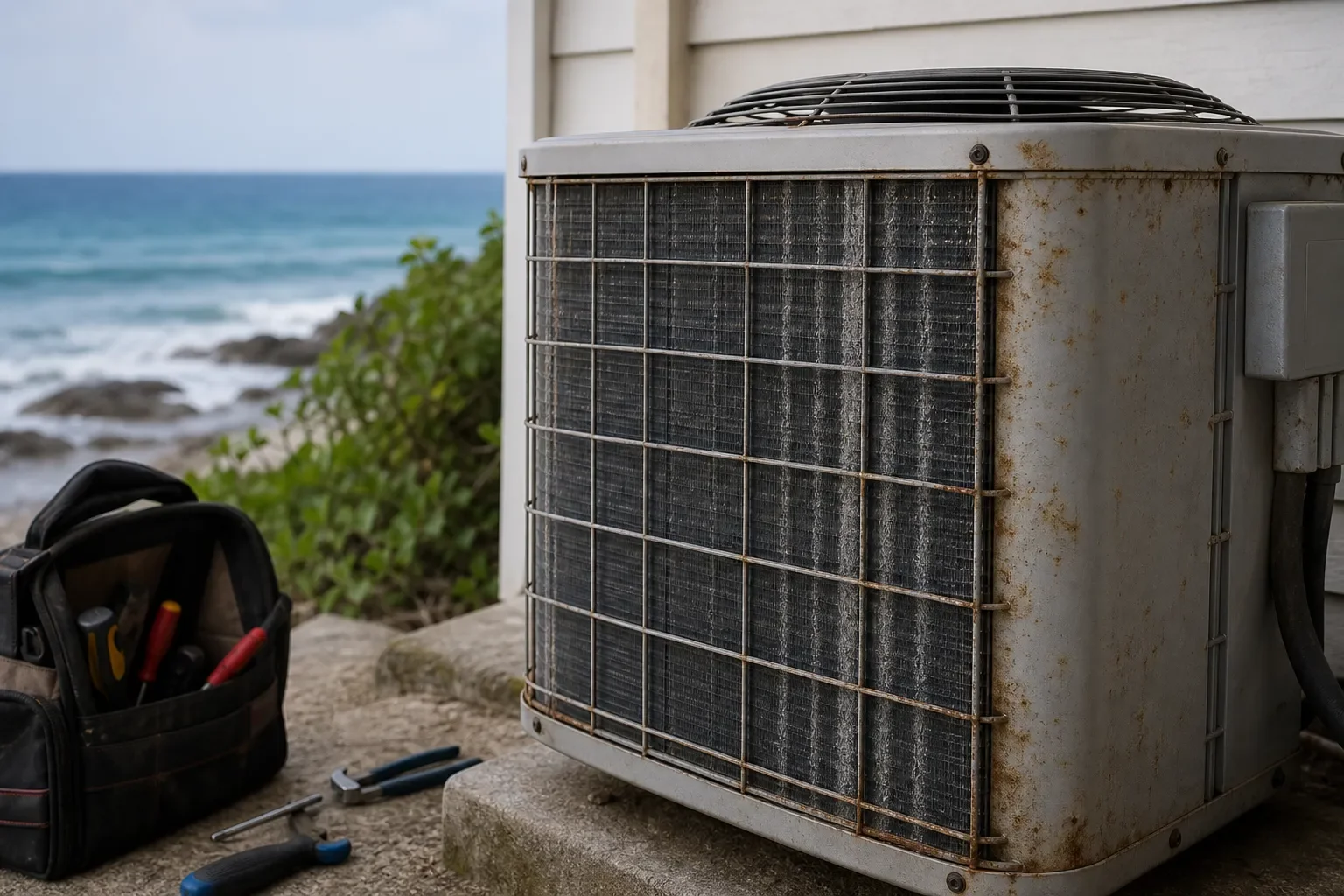
In Pensacola, air conditioners often operate under conditions that are tougher than inland systems face. Coastal exposure can contribute to rust and corrosion on outdoor equipment, especially coils and electrical connections. High humidity also forces systems to run longer cycles to maintain comfort, and that added runtime can increase wear on motors, capacitors, contactors, and drainage components. Over time, these stresses make a system more vulnerable to sudden shutdowns, poor cooling, and performance decline that may eventually require emergency AC repair in Pensacola.
Routine inspections can catch many of these issues before they escalate. For example, a technician may identify airflow restrictions, drainage problems, or signs of electrical wear that often appear before a complete failure. If you are weighing whether a struggling unit is worth fixing, it can also help to review how to decide between AC repair and replacement for a Pensacola property, since recurring problems sometimes point to a larger equipment decision.
How Often Should a System Be Checked?
For most homes and commercial properties in Pensacola, a seasonal check at least twice a year is a practical baseline: once before the hottest stretch of the cooling season and again after extended heavy use. In a coastal environment, that schedule helps identify corrosion, drainage buildup, and efficiency loss before they trigger an outage. Properties with older equipment, high occupancy, extended operating hours, or a history of performance issues may benefit from even closer monitoring because they face a higher chance of needing emergency AC repair in Pensacola during peak heat.
- Schedule a pre-season inspection before demand peaks
- Plan a second check after months of heavy summer runtime
- Monitor older systems more closely for wear and corrosion
- Respond quickly to humidity, airflow, or cycling issues
Even with regular attention, no system is immune to breakdowns. The value of a consistent schedule is that it reduces the odds of a surprise failure and gives you more control over timing and repair decisions. If you have noticed rapid on-and-off operation, review common causes of short cycling and when a tune-up points to repair or replacement, because that symptom often signals a problem that can worsen quickly in Pensacola’s heat.
How Tune-Ups Help Prevent Emergency Breakdowns
A well-timed inspection supports more than efficiency. It can reduce the likelihood of urgent service by identifying small failures in progress. Dirty coils can drive up operating pressure, weak electrical components can fail without much warning, and clogged condensate drains can lead to shutdowns or water issues. In a humid coastal market like Pensacola, these are not minor concerns. They are common pathways to emergency AC repair in Pensacola, especially during periods of extreme demand.
Many property owners also underestimate how indoor humidity relates to system stress. If your building feels clammy or struggles to stay comfortable, that can indicate performance issues that deserve prompt attention. A helpful reference is this guide on what high indoor humidity can mean for AC system performance, which explains why moisture-related symptoms should not be brushed aside in coastal conditions.
Warning Signs You Should Not Ignore
- Warm air or weak airflow from vents
- Long run times with little improvement in comfort
- Frequent breaker trips or sudden system shutdowns
- Unusual noises, burning smells, or rattling
- Water around the unit or signs of drainage problems
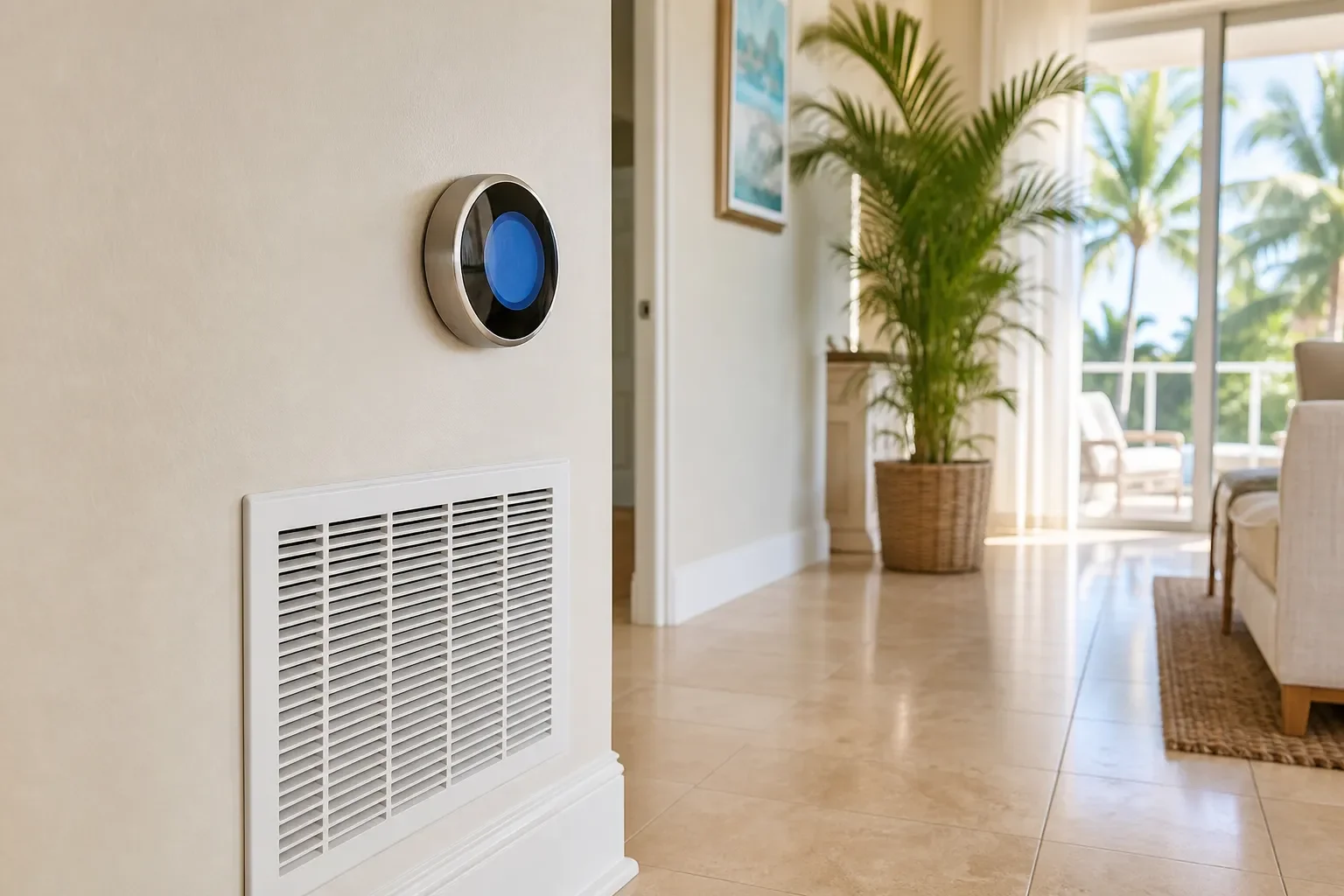
These symptoms may begin as maintenance concerns but can quickly become emergencies if ignored. A thermostat problem, for instance, can contribute to erratic cooling behavior and unnecessary strain. If system controls have become unreliable, see when replacing a thermostat can improve AC performance. Addressing control issues early may help reduce wear that otherwise leads to emergency AC repair in Pensacola.
Efficiency, Costs, and Warranty Protection
Routine system care is often discussed in terms of energy savings, but the bigger picture includes breakdown prevention and documentation. A unit that runs with restricted airflow, dirty components, or developing electrical problems may consume more energy while quietly moving closer to failure. Regular service records can also be helpful if warranty questions arise, since manufacturers commonly expect equipment to be properly maintained. Although maintenance does not eliminate every problem, it can support better performance and lower the risk of needing urgent emergency AC repair in Pensacola at the worst possible time.
For owners trying to budget around an unexpected issue, understanding repair-versus-replacement context is useful. You may want to compare your situation with this article about replacement cost considerations for Pensacola properties. And if your goal is simply to avoid a crisis altogether, this discussion of how seasonal tune-ups help reduce emergency repair risk reinforces why preventive attention matters before peak summer strain arrives.
What Homeowners and Business Owners Should Do Next
For both homeowners and business owners in Pensacola, the best approach is proactive: keep a consistent inspection schedule, watch for early symptoms, and act quickly when performance changes. Commercial spaces often face higher occupancy loads and longer operating hours, while homes may experience issues first through rising humidity, uneven temperatures, or unusual sounds. In either setting, waiting for a complete failure usually means more discomfort, more disruption, and a greater chance that you will need emergency AC repair in Pensacola during a high-demand period.
If your system is already showing signs of stress, the right move is not to guess. Fast evaluation helps determine whether the issue is airflow-related, electrical, drainage-related, or a deeper mechanical problem. Pensacola property owners who respond early are often in a better position to limit damage, restore comfort faster, and make more informed decisions about the next step.
Conclusion
Because of salt air, persistent humidity, and a long cooling season, Pensacola properties benefit from scheduled system checks at least twice a year, with closer attention for older or heavily used equipment. That routine can improve efficiency, reduce wear, and lower the odds of a sudden outage. Most importantly, it helps property owners recognize when a maintenance concern has crossed the line into a need for emergency AC repair in Pensacola. If your system is struggling, acting quickly is the best way to protect comfort, equipment condition, and day-to-day operations.