

What You'll Learn
- Spot early rust signs before they turn into major system failures
- Understand how salt exposure speeds outdoor unit damage
- Know when repeated repairs stop making financial sense
- Learn why replacement can improve reliability and safety in Milton
When outdoor equipment starts showing rust, many property owners wait and hope the damage stays cosmetic. In reality, corrosion around an air conditioner can move from the cabinet to coils, electrical connections, and the base that supports the unit. For homeowners and business owners considering HVAC replacement in Milton, understanding what rust means is important because repeated patchwork repairs often delay the more reliable solution. If your system is aging, struggling, or showing visible corrosion, HVAC replacement in Milton may be the safer investment rather than continuing to repair a unit that is slowly failing from the outside in.
Why Rust Around the Outdoor Unit Deserves Serious Attention
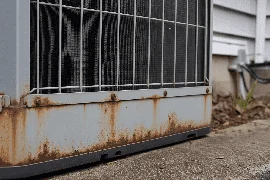
The outdoor condenser lives in the harshest conditions on your property. Moisture, heat, debris, and airborne contaminants all settle on the metal surfaces and internal parts. Over time, that exposure can eat away at the cabinet, fasteners, coil fins, and electrical terminals. Surface rust may look minor at first, but corrosion often spreads into the components that keep your system operating safely and efficiently. Once that happens, repair bills can stack up while reliability keeps dropping.
In many cases, owners first notice rust right when they are already dealing with performance issues such as weak cooling, loud operation, or a unit that shuts down unexpectedly. Those symptoms often signal that deterioration is no longer cosmetic. If you want a broader look at timing, our article on the best time of year for HVAC replacement in Milton can help you think strategically about planning instead of waiting for a complete breakdown.
- Rust on the base pan or cabinet panels
- Corroded screws, brackets, or fasteners
- Bent or deteriorating coil fins
- Flaking metal near wiring connections
- Recurring drainage or moisture buildup around the unit
How Salt Exposure Can Speed Up Outdoor Unit Failure
Salt in the air is especially tough on metal equipment. Even when buildup is not obvious, salt residue can cling to the condenser and accelerate oxidation. That means metal parts wear down faster, protective coatings break down sooner, and the outdoor unit becomes more vulnerable to structural weakness and electrical issues. Corrosion also reduces heat transfer efficiency when coil fins begin to deteriorate, which forces the system to work harder and longer just to maintain indoor comfort.
This is one reason many owners reach a point where replacement is smarter than another repair. When the cabinet is rusting, the coils are aging, and electrical components are exposed to ongoing corrosion, fixing one failed part does not stop the rest of the unit from declining. For a related perspective, see why coastal corrosion can make system installation the smart move once wear starts adding up and why salt exposure can shorten system life and make replacement more practical than repeated repairs.
Warning Signs That Rust Is Moving Beyond Cosmetic Damage
Not every rusty panel means the entire system must be replaced immediately, but some warning signs point to deeper problems. If your unit is tripping electrical protections, making unusual sounds, struggling to keep temperatures steady, or requiring frequent service visits, corrosion may be affecting core components. Rust can weaken the frame, contribute to vibration, and create conditions that strain motors and electrical parts. Once that pattern begins, reliability usually gets worse, not better.
Property owners often miss the connection between visible outdoor rust and indoor comfort problems. Yet the same system that looks weathered outside may also be losing efficiency, running longer cycles, and putting extra stress on aging parts. If you have seen repeated shutdowns, review why breaker trips can be a sign central air replacement makes sense. If you are trying to compare symptoms, our guide to warning signs that central air replacement may be needed is also useful.
When Repeated Repairs Stop Being the Safe Option
There is a point where repair decisions become reactive instead of cost-effective. A contactor may be replaced, then a fan motor, then a capacitor, then another corroded connection. Each repair may seem manageable on its own, but together they often point to a system nearing the end of dependable service. Rust is especially concerning because it suggests the environment around the outdoor unit will continue to attack replacement parts as well. That means the next repair may not buy much time.
Before committing to another fix, it helps to understand what should be evaluated first. Our post on what to check before calling for central air replacement in Milton outlines the kinds of issues owners should notice and document. If your system also shows a pattern of icing or airflow-related stress, reading how to tell when a tune-up is no longer enough can provide useful context for deciding whether replacement is the better path.
Why HVAC Replacement in Milton Can Be the More Reliable Long-Term Choice
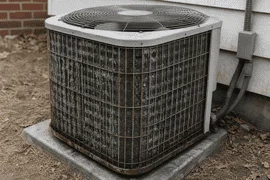
HVAC replacement in Milton becomes the safer investment when corrosion has started affecting system dependability, operating efficiency, and the condition of major components. A replacement decision is not only about comfort. It is also about reducing the risk of emergency breakdowns, limiting ongoing repair spending, and restoring confidence that your property can stay consistently cooled during demanding weather. For business owners, that reliability can also help protect operations, equipment, and customer comfort.
A replacement evaluation should consider the unit's age, repair history, visible corrosion, energy performance, and whether critical parts are beginning to fail in sequence. When multiple signs line up, replacing the system usually offers a cleaner long-term answer than continuing to invest in equipment that has already entered a steady decline. This is especially true when rust is not isolated to one panel but appears around the base, coils, fasteners, or electrical areas.
- Review the age and overall condition of the current system
- Compare recent repair frequency against expected remaining life
- Inspect visible rust on structural, coil, and electrical areas
- Assess whether cooling performance and efficiency have dropped
- Decide whether replacement offers better safety and reliability
What Property Owners Should Watch Going Forward
If you already see rust, do not assume the issue will stay limited to appearance. Monitor for louder operation, longer run times, inconsistent indoor temperatures, rising energy use, and any signs the unit is sitting unevenly or vibrating more than normal. Those clues often suggest corrosion is affecting function as well as structure. The earlier you evaluate replacement, the more control you have over scheduling and decision-making.
For owners trying to avoid a sudden failure, planning ahead matters. A proactive approach gives you time to weigh the condition of the system, avoid stacking repair bills, and move forward before rust-related damage leads to a more disruptive breakdown. If your outdoor unit is showing corrosion and your equipment has become unpredictable, HVAC replacement in Milton is often the wiser next step.
Conclusion: When Rust Keeps Spreading, Replacement Often Wins
Rust around an outdoor unit is more than a cosmetic concern when it is paired with aging equipment, recurring repairs, and declining performance. Corrosion can spread into the parts that matter most, making breakdowns more likely and repairs less rewarding over time. For homeowners and business owners weighing their options, HVAC replacement in Milton often becomes the safer, more dependable investment once rust starts undermining the system's structure and function. If your current equipment is showing those signs, now is the time to seriously evaluate HVAC replacement in Milton before the next failure forces the decision.