
What You'll Learn
- See which system fits older homes, additions, and ductwork issues
- Understand repair urgency differences between ductless and central air
- Compare comfort, efficiency, and budget considerations clearly
- Know when emergency AC repair is the smartest next step
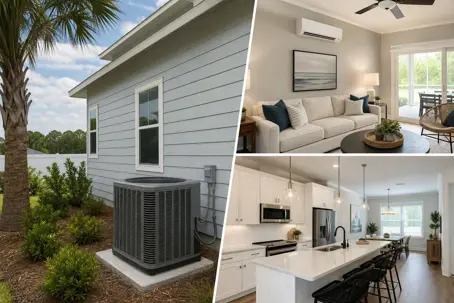
When a cooling system fails in the middle of a Florida heat wave, homeowners and business owners often ask a bigger question than how to get it running again: should they keep the same setup or consider a different one later? This guide focuses on emergency AC repair in Niceville while helping you understand how ductless AC and central air compare in real-world properties. If your current system quits unexpectedly, the right repair decision often depends on the type of equipment you have, the layout of the building, and whether comfort problems were already showing up before the breakdown.
For many properties, the immediate priority is restoring cooling safely and quickly. But a system failure can also reveal long-standing issues such as uneven temperatures, weak airflow, excess humidity, or high energy use. In those cases, understanding the strengths and weaknesses of ductless and central air can help you make a better decision after emergency AC repair in Niceville. The goal is not to push one option for every building. It is to match the system to the property, budget, and comfort expectations.
Why System Type Matters During an Emergency Breakdown
Ductless AC and central air fail in different ways, and that affects how an emergency is diagnosed. With central air, a no-cooling call may involve the air handler, outdoor unit, thermostat, electrical components, or duct-related airflow restrictions. With ductless equipment, the issue may be isolated to one indoor head, communication controls, condensate drainage, or the outdoor condenser serving one or more zones. During emergency AC repair in Niceville, identifying the system design quickly helps narrow the cause and reduce downtime.
In many cases, symptoms that look like a major failure start with warning signs that were easy to miss. High indoor moisture, for example, can point to performance issues that worsen before a complete shutdown. For a deeper look at how moisture and cooling problems can connect, read this guide on high indoor humidity and AC system warning signs. Likewise, control problems can mimic larger equipment failures, which is why reviewing thermostat-related performance issues can be useful when a system suddenly stops responding.
When Central Air Is Often the Better Fit
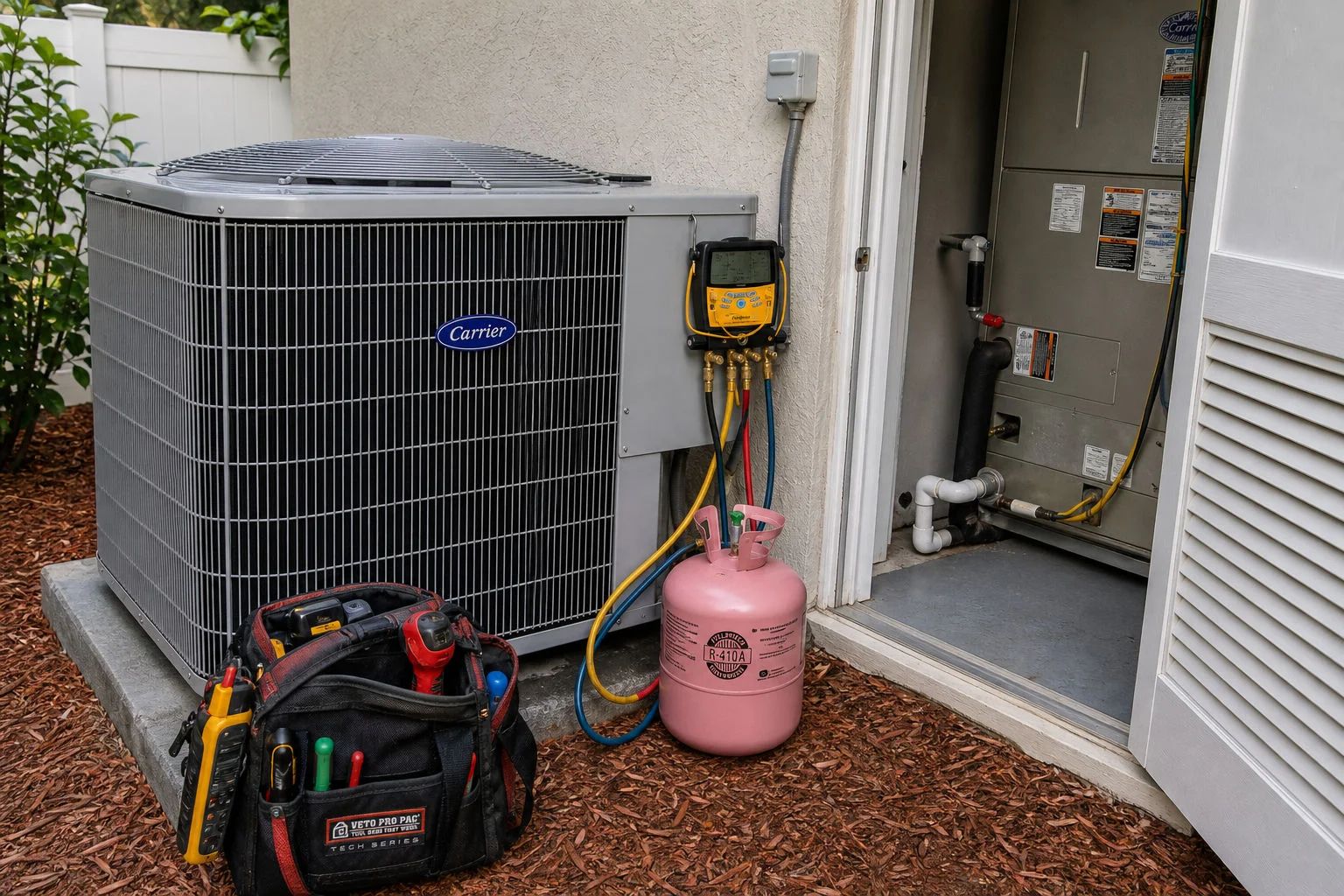
Central air is usually a strong fit for properties that already have a well-designed duct system in good condition. If the building was laid out for whole-home cooling and the ducts deliver balanced airflow, central air can provide consistent comfort across multiple rooms from a single system. After emergency AC repair in Niceville, many owners choose to stay with central air because it supports familiar operation, integrated filtration, and straightforward thermostat control for the entire property.
This setup can make the most sense in homes or commercial spaces where the floor plan is open, occupancy is predictable, and there are no major hot or cold spots. It also remains practical when the existing ductwork is sealed, insulated, and properly sized. In these situations, repairing the failed equipment may be the most sensible short-term move, especially if the system otherwise met comfort expectations before the emergency. If there were already signs of declining performance before the outage, this article on signs an AC system is struggling before peak summer offers helpful context on what often builds up before a breakdown.
- Best for properties with sound, efficient existing ductwork
- Useful for whole-building cooling from one control point
- Often simpler for owners who want a familiar setup
- Can be a smart choice when airflow has been consistently even
When Ductless AC Makes More Sense
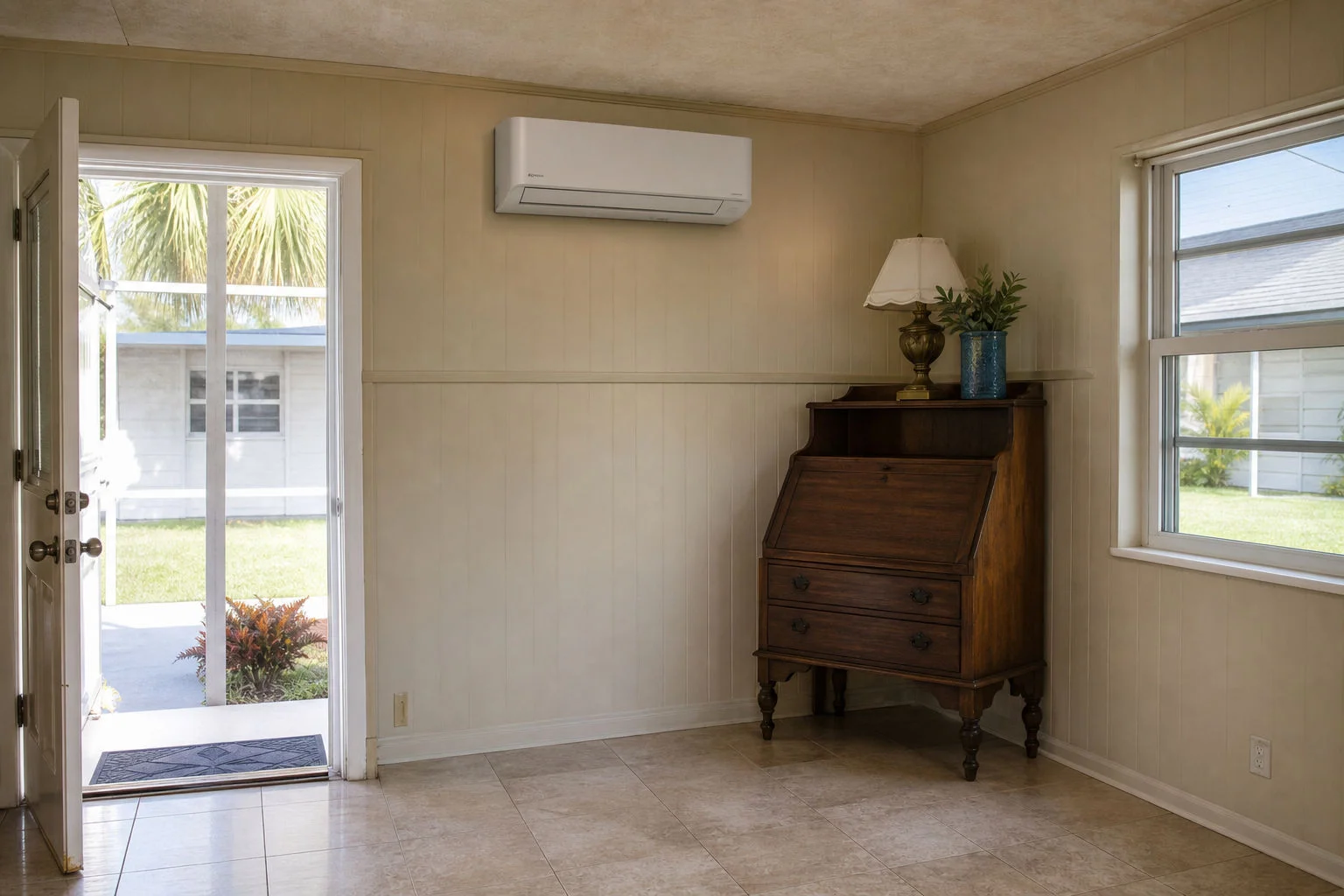
Ductless AC often stands out when the property has rooms that are difficult to cool evenly or when extending ducts would be impractical. Additions, enclosed patios, converted garages, older homes with limited space for duct runs, and buildings with persistent airflow complaints are common examples. In these cases, emergency AC repair in Niceville may restore cooling in the short term, but the breakdown can also highlight why the original system has struggled to keep certain spaces comfortable.
Because ductless systems cool specific zones, they can provide more targeted comfort where and when it is needed. That can be especially helpful for spaces with different occupancy patterns or temperature preferences. If one area of a property overheats while others stay comfortable, a ductless approach may align better with the way the building is actually used. For owners dealing with repeated complaints in one part of the property, understanding whether the issue is equipment-related or airflow-related is an important part of any emergency AC repair in Niceville visit.
How Ductwork Problems Change the Decision
Ductwork can be the deciding factor between staying with central air and considering ductless later. Leaky, undersized, poorly insulated, or badly routed ducts can reduce airflow, waste energy, and make rooms feel sticky or uneven. In that situation, central air may still be workable, but only if the duct system itself is addressed. If the ducts are difficult to access or expensive to correct, a ductless solution may deserve serious consideration after emergency AC repair in Niceville gets the immediate situation under control.
This is especially relevant in older properties where the original layout has changed over time. Renovations, room conversions, and additions can leave the cooling system trying to serve a building it was never designed for. A repair may fix the immediate failure, but it will not automatically solve long-term distribution problems. That is why a careful evaluation after an emergency call matters: it separates a one-time equipment issue from a broader system mismatch.
Budget, Comfort Goals, and Property Type
Budget matters, but so do expectations. Some owners want the fastest path back to reliable cooling, which often means completing emergency AC repair in Niceville and monitoring performance. Others are more focused on solving uneven comfort, reducing wasted cooling in unused rooms, or addressing recurring issues that have become disruptive. Ductless systems can offer flexibility for targeted areas, while central air may continue to be the best match for properties that need broad, uniform coverage and already have effective air distribution.
Property type also shapes the answer. A compact building with a straightforward layout may continue to perform well with central air if the ducts are sound. An older house with room-by-room temperature swings may benefit more from a zoned approach. A business with one problem area may need a solution tailored to that specific section of the property. In every case, the best next step starts with accurate diagnostics during emergency AC repair in Niceville, followed by clear recommendations based on how the building actually behaves.
What to Do After an Emergency Cooling Failure
- Document which rooms lost cooling and whether airflow was weak or uneven
- Note any recent humidity, thermostat, or drainage problems before the breakdown
- Ask whether the issue is isolated to equipment or tied to distribution problems
- Compare repair value against the comfort performance you were getting before failure
- Use the emergency visit as a chance to identify recurring causes, not just symptoms
If your building cooled well before the failure, repair may be the right immediate answer. If the system has struggled for a long time, the emergency may simply be the moment those problems can no longer be ignored. Either way, informed decisions start with a thorough diagnosis, not assumptions. A professional evaluation can help determine whether the current setup still suits the property or whether the breakdown revealed a larger design issue.
Conclusion
Ductless AC and central air each have situations where they make sense, and neither is automatically right for every property. The better fit depends on the building layout, duct condition, comfort goals, and how the system performed before it failed. If you need emergency AC repair in Niceville, the immediate priority is restoring safe, dependable cooling. After that, the smartest path is to evaluate whether your current setup truly matches the needs of the property. For homeowners and business owners alike, emergency AC repair in Niceville can do more than solve a sudden outage; it can provide the information needed to make a better long-term comfort decision.