
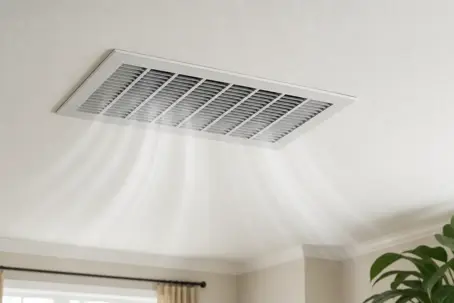
What You'll Learn
- Learn why hot rooms can persist after emergency AC repair
- Spot signs that duct issues may be the real problem
- Understand how diagnostics separate AC faults from airflow issues
- Know when duct repair makes more sense than repeat repair calls
When certain rooms stay warm even after emergency AC repair in Pace, many property owners assume the equipment still has the same problem. In reality, the air conditioner may be running again while the home or building still struggles with airflow, air loss, or poor air distribution behind the walls and ceilings. For homeowners and local business owners dealing with recurring comfort issues, understanding the difference between equipment failure and duct-related performance problems can help you make better decisions, avoid repeated service calls, and restore more consistent cooling.
This matters because emergency AC repair in Pace is often called when the symptom is obvious: a space feels hot, the system seems overworked, or one area never catches up. But uneven cooling is not always caused by the same component that triggered the urgent visit. If the equipment is operating but airflow is escaping into unconditioned areas, blocked by damage, or restricted by poor duct sizing, the result can look like another AC problem even when the deeper issue is in the duct system. If you want context on urgent repair concerns, our article on what homeowners often consider when emergency repair costs come up is a useful starting point.
Why Hot Rooms Can Remain After the AC Starts Working Again
After an emergency repair restores cooling, the system may once again produce cold air at the equipment. That does not guarantee each room receives the right amount of that air. Duct leaks can dump conditioned air into attics, crawlspaces, or wall cavities. Crushed or disconnected sections can reduce airflow to one branch. Poorly sized duct runs can starve distant rooms, while excessive bends or restrictions can weaken delivery where comfort is needed most. In these cases, the urgent equipment issue gets fixed, but the building still cools unevenly.
These problems are especially frustrating because they can mimic mechanical trouble. A room that stays hot may lead owners to suspect a thermostat issue, compressor issue, or another equipment malfunction. Sometimes those concerns are valid, and resources like our post on how compressor-related repair questions are commonly evaluated can help you understand what technicians look for. But when the system appears to run normally and only certain areas are affected, airflow distribution becomes a major suspect.
- One or two rooms stay warmer than the rest for hours
- Some vents blow much weaker air than others
- The system runs longer but comfort does not improve evenly
- Upper rooms or far-end spaces are consistently harder to cool
- Utility costs rise while indoor comfort still feels inconsistent
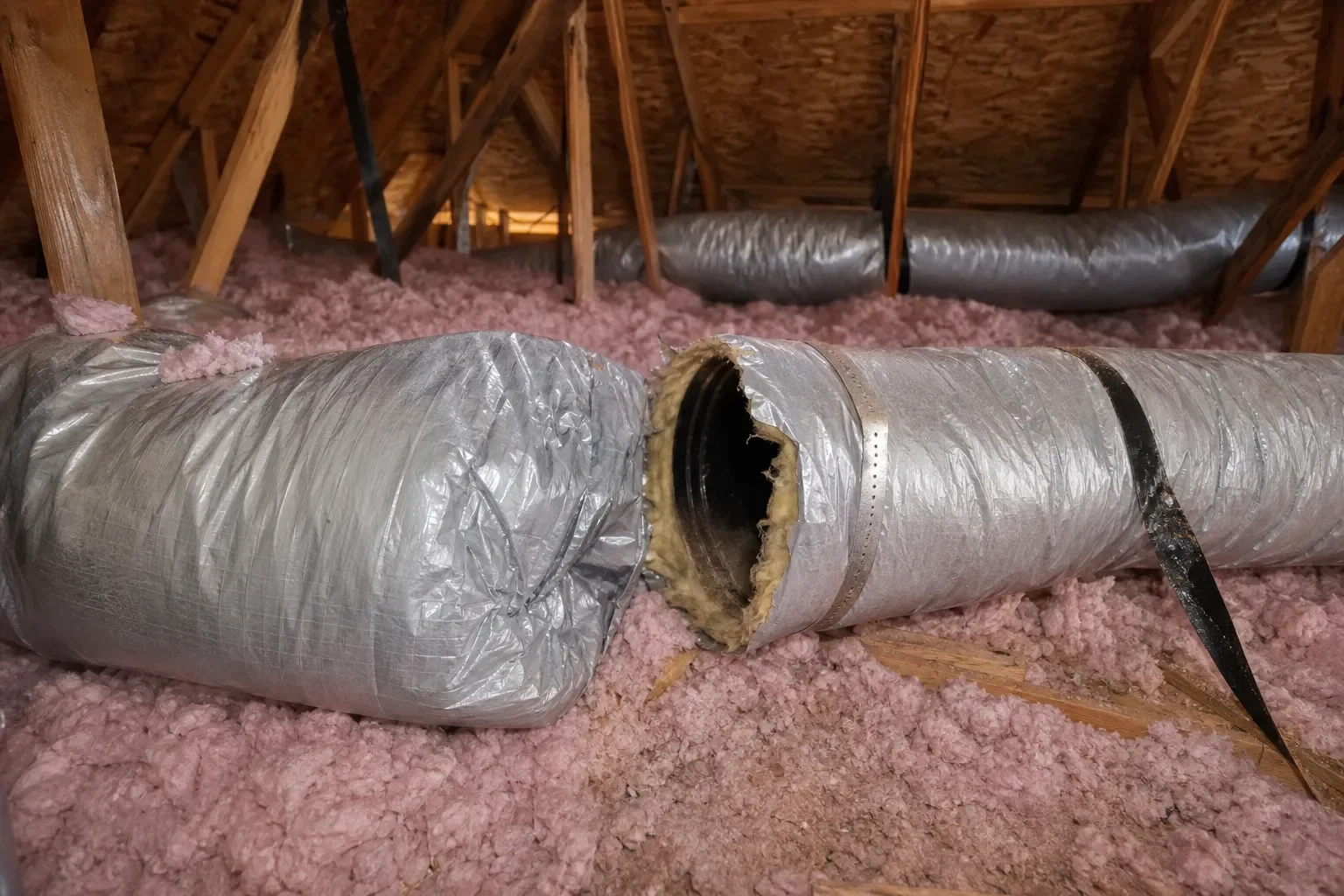
Warning Signs That Point to Duct Problems Instead of Another Emergency Repair
If you have already scheduled emergency AC repair in Pace and the system now turns on, cools partially, or reaches temperature only in parts of the property, the next step is to look beyond the equipment itself. Duct issues often reveal themselves through patterns. The same room may remain uncomfortable day after day. Supply registers may have noticeably different airflow. Certain spaces may cool only late at night, or never quite match the thermostat setting in the main area.
Another clue is repeat service history. If an AC system has been checked multiple times but comfort complaints continue, the issue may not be a series of separate equipment failures. It may be one underlying distribution problem. Our guide on short cycling and how recurring symptoms can point to larger system concerns explains why repeated symptoms should trigger a broader diagnostic approach rather than another narrow repair assumption.
Noise can also be a clue. Whistling at vents, rattling in ceilings, or a rushing-air sound from inaccessible spaces may indicate leakage, loose connections, or restrictions. In older buildings, sections may have deteriorated over time. In remodeled spaces, duct runs may no longer match the layout or cooling load. While every building is different, uneven airflow after emergency AC repair in Pace often means the comfort problem is no longer at the condenser or air handler alone.
How a Professional Diagnostic Service Separates AC Issues From Duct Issues
A thorough diagnostic process starts by confirming whether the equipment is actually doing its job. Technicians evaluate system operation, temperature split, airflow behavior, and whether the unit is cycling as expected. If core components appear to be functioning properly, attention shifts to delivery: how much air is reaching each register, whether pressure imbalances exist, and whether leakage or restrictions are likely in the duct network. This is how professionals avoid treating every comfort complaint as just another urgent equipment breakdown.
In many cases, the best value comes from identifying the root cause before approving more repair work. A property owner may feel pressure to keep calling for emergency AC repair in Pace because the symptom keeps returning, but persistent hot spots can point to a comfort-distribution problem rather than a new mechanical failure. Our article on how often recurring AC concerns deserve closer evaluation reinforces why repeated visits should lead to a wider system review, not just another quick fix.
Proper diagnostics also consider system sizing and layout. If airflow demand changed after renovations, room conversions, or additions, existing ducts may no longer support balanced cooling. Even when equipment capacity seems adequate, the wrong duct design can keep some rooms uncomfortable. For a helpful comparison of how sizing choices affect performance, see our explanation of why right-sizing matters for overall AC performance. The key takeaway is simple: comfort depends on both equipment function and air delivery.
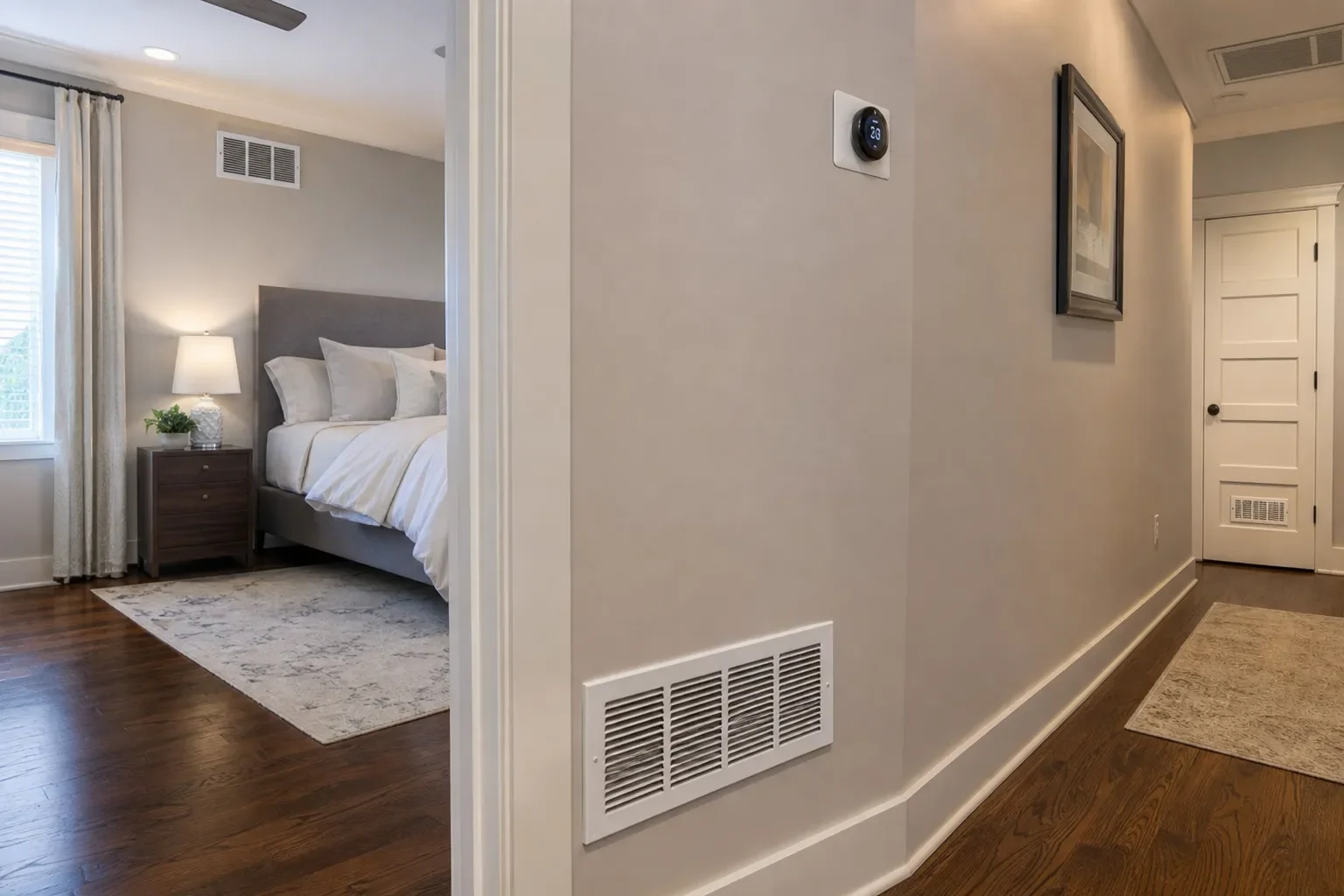
When Duct Repair or Replacement Makes More Sense Than Repeated Service Calls
Once the equipment side has been stabilized, there comes a point when repeatedly scheduling emergency AC repair in Pace is no longer the most practical path. If the air conditioner is operating but certain rooms still do not cool properly, duct repair may offer a more direct solution. Sealing leaks, reconnecting separated runs, correcting damaged sections, or redesigning poorly performing branches can improve airflow where it is needed instead of continuing to chase symptoms at the unit.
Replacement may be worth discussing when ducts are extensively deteriorated, badly undersized, or patched so many times that performance remains inconsistent. This is especially true when comfort complaints involve multiple rooms, long run times, and obvious airflow imbalance. While every property needs an on-site evaluation, duct work that cannot reliably deliver conditioned air can undermine the value of any previous repair. Our post on when homeowners often weigh duct repair versus replacement offers additional perspective on that decision-making process.
Humidity patterns can also support the diagnosis. If some spaces feel warmer and muggy even though the AC is running, poor airflow may be limiting proper comfort control in those areas. That symptom is easy to misread as another equipment issue. For related insight, review how indoor humidity can signal deeper AC performance concerns. In many buildings, balanced airflow is essential not only for temperature but for overall comfort as well.
What Property Owners in Pace Should Do Next
If you are dealing with rooms that stay hot after emergency AC repair in Pace, the smartest next step is a professional evaluation focused on both equipment operation and duct performance. Rather than assuming the same repair must be repeated, ask whether airflow is being measured, whether duct leakage is suspected, and whether room-by-room delivery is consistent. A complete diagnosis can reveal whether the problem is truly mechanical, distribution-related, or a combination of both.
For homeowners and local business owners, that kind of clarity helps prevent wasted time and unnecessary repeat calls. It also helps you prioritize the repair that actually improves comfort. If the AC has already been restored but the building still cools unevenly, the real fix may be in the duct system. Save Now Cooling can help determine whether continued emergency AC repair in Pace is warranted or whether duct-related corrections are the more effective way to solve those stubborn hot-room complaints.