
What You'll Learn
- Learn why upstairs rooms often expose deeper cooling system limits
- Understand when aging equipment can no longer move air effectively
- See how duct restrictions can make uneven cooling worse
- Know when AC installation is smarter than repeated short-term repairs
- Find out what to expect from a replacement-focused evaluation
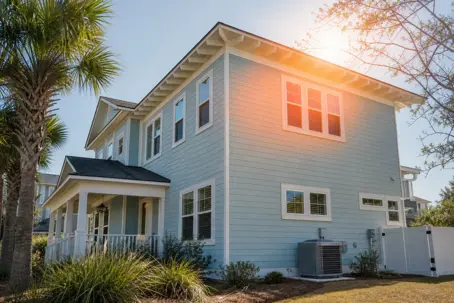
When the second floor stays warm no matter how low you set the thermostat, many property owners assume the problem is simply heat rising. While that is part of the story, persistent temperature differences often point to a bigger system issue. In many homes and light commercial buildings, AC installation in Pensacola becomes the most effective long-term answer when older equipment can no longer deliver the airflow, capacity, or consistency the building needs. If you have been adjusting settings, closing vents, or paying for repeated repairs without getting balanced comfort, it is worth looking at whether the current central air system is still the right fit for the property.
Uneven cooling between floors usually develops for practical reasons. The upper level gains more heat through the roof, attic, and sun-facing walls, while the system must push conditioned air farther and often against more resistance. A newer, properly selected system may handle that demand well. An aging one may not. If you want context on replacement timing, our article on how long AC installation typically takes can help you understand the process before deciding on next steps.
Why Upstairs Comfort Problems Usually Mean More Than a Thermostat Issue
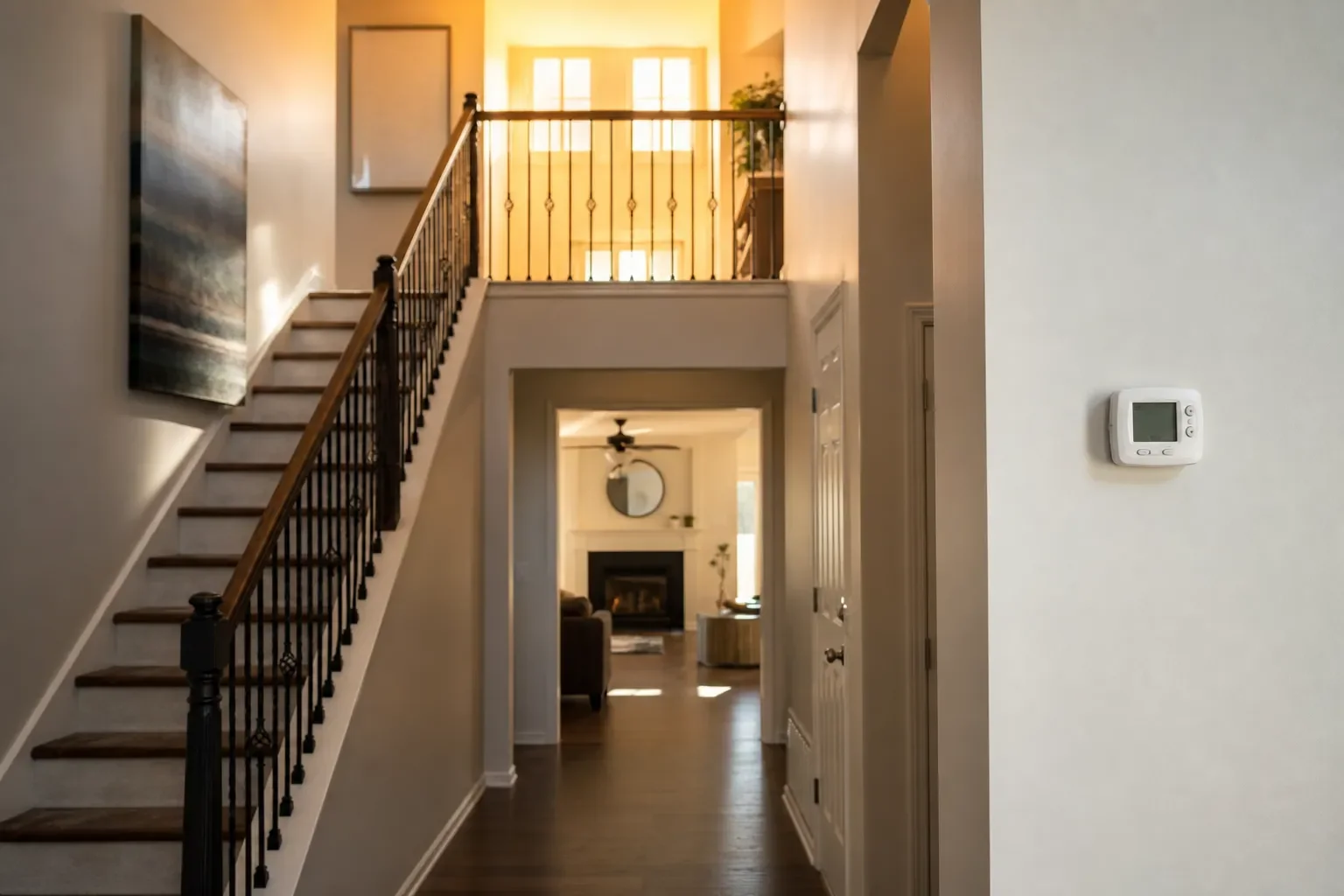
A thermostat can only call for cooling; it cannot make an undersized or worn-out system perform beyond its capability. If the downstairs reaches the set temperature first, the system may shut off before enough conditioned air reaches the upper level. This is especially common when the existing equipment has lost efficiency with age or was never matched well to the building layout in the first place. In those situations, homeowners often keep repairing components while the core comfort issue remains unchanged.
Another clue is rising operating cost without better comfort. If the system runs longer, struggles during the hottest parts of the day, and still leaves upstairs rooms stuffy, replacement may deserve serious consideration. We cover that decision point in more detail in our post about why energy bills keep rising even after AC repairs. For many owners, the question is not whether the existing system can still turn on, but whether it can still cool the building evenly and efficiently enough to justify more repair spending.
- Upstairs rooms stay warm even when the main level feels cold
- The system runs for long periods during hot weather
- Certain rooms have weak airflow at the vents
- Comfort drops off most in late afternoon or early evening
- Repairs restore operation but do not improve room-to-room balance
How Aging Central Air Equipment Creates Airflow and Balance Problems
As central air equipment ages, it may still cool some areas adequately while failing in the parts of the building that are hardest to serve. Blower performance can decline, coils can lose effectiveness, and the system may struggle to remove heat at the rate it once did. The result is often most noticeable upstairs because that level has the highest cooling demand. In those cases, AC installation in Pensacola is not just about replacing old machinery. It is about restoring the system’s ability to move the right amount of air and condition the entire property more evenly.
Load mismatches also matter. Some systems were installed years ago under different occupancy patterns, insulation conditions, or renovation layouts. If the building has changed but the central air system has not, comfort can drift further out of balance over time. That is why replacement decisions should focus on the whole cooling picture, not just a failed part. A related discussion appears in our post on when a home feels undercooled even though the system seems to be running normally, which highlights how performance limitations can hide behind apparently normal operation.
When the Real Problem Is Duct-Related Airflow Limitation
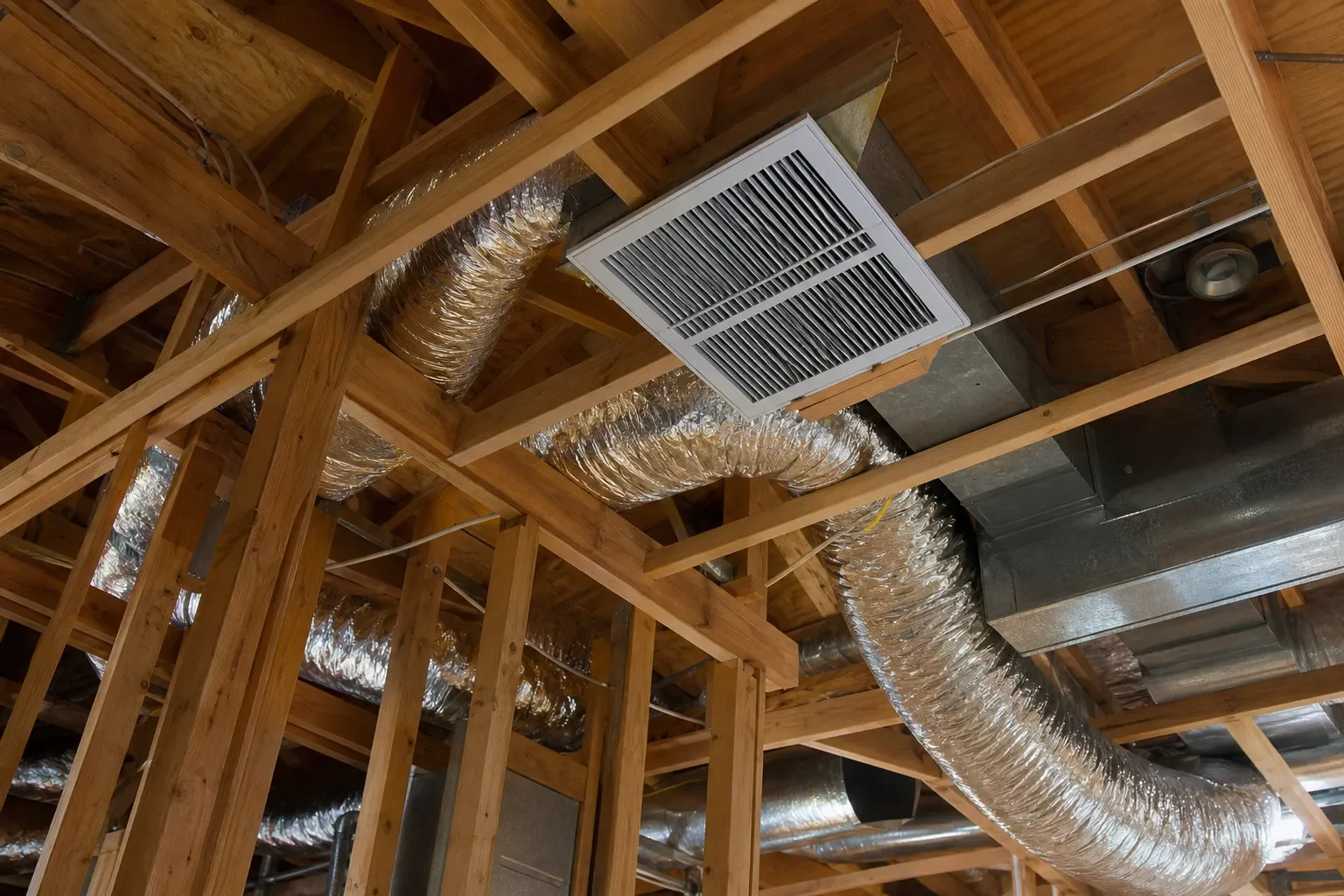
Not every upstairs comfort complaint is caused by the outdoor unit or air handler alone. Duct design, static pressure, leakage, and restricted runs can all reduce how much conditioned air reaches the upper level. If the existing central air system is already near its limit, those duct issues become even more obvious. This is one reason an installation-focused evaluation matters: the goal is not simply to swap equipment, but to determine whether the replacement system can perform properly with the airflow path it depends on.
That evaluation should include how air is distributed, where pressure losses occur, and whether supply and return pathways support balanced cooling. We discuss the importance of that step in our article on why duct evaluation matters when airflow issues show up near the vents. If your upstairs rooms have noticeably weaker airflow than rooms below, replacing equipment without understanding the duct side may leave part of the original problem in place.
Signs AC Installation Is More Effective Than Continuing Repairs
There is a difference between a repairable breakdown and a system that no longer serves the building well. If the same upper-floor complaints keep returning after service visits, that pattern suggests the problem is structural rather than incidental. An older central air system that cannot maintain comfort upstairs, control runtime, and distribute air properly may cost more in frustration and energy than it is worth. In those situations, AC installation in Pensacola can be the more practical decision because it addresses the system as a whole instead of patching symptoms one at a time.
Property owners often reach this point after noticing that some rooms are consistently warmer than others. If that sounds familiar, you may also find value in our guide on why some rooms stay warmer than others and when installation becomes the answer. The same principle applies here: when comfort imbalance is tied to equipment limitations or poor airflow delivery, replacement often provides a clearer path forward than repeated adjustments.
- The system is aging and upstairs comfort has steadily worsened
- Repairs restore cooling temporarily but not balanced airflow
- Energy use rises while upper rooms remain uncomfortable
- The building layout or use has changed since the current system was installed
- An evaluation shows airflow limitations that a new matched system can better address
What a Replacement-Focused Assessment Should Look At
A quality installation recommendation should start with the building, not just the old unit’s nameplate. That means reviewing cooling demand by floor, checking airflow performance, and identifying whether comfort complaints are tied to capacity, distribution, or both. It should also account for conditions that can shorten equipment life or reduce performance over time. For a related perspective, our article on how harsh local conditions can shorten system lifespan explains why replacement timing matters when older equipment is already under stress.
It is also helpful to consider whether the problem has persisted even with newer equipment elsewhere in the market addressing similar concerns. Our post on why a newer system can still struggle to cool evenly reinforces an important point: equipment alone is not enough unless the installation strategy fits the property. That is why the best results come from pairing correct system selection with a realistic review of airflow conditions inside the structure.
Why Timely AC Installation Matters in Pensacola
In a climate where long cooling seasons put sustained demand on central air equipment, waiting too long to replace an underperforming system can mean another season of uneven comfort, unnecessary runtime, and higher operating stress. For homeowners and business owners alike, the upstairs problem is often the first visible sign that the current system is no longer keeping up with the building’s real needs. Choosing AC installation in Pensacola at the right time can improve comfort consistency, support better airflow delivery, and reduce the cycle of repeated repair decisions that never fully solve the problem.
If your upper level stays warmer than the rest of the property, the answer may not be another thermostat change or another short-term repair. It may be time to evaluate whether a properly planned AC installation in Pensacola is the better long-term solution. Save Now Cooling helps property owners look beyond surface symptoms to determine whether aging equipment, sizing limitations, or airflow constraints are driving the imbalance so the next decision actually addresses the real problem.