
What You'll Learn
- Identify the top causes of uneven cooling in a home or business
- Learn when airflow or duct issues can mimic bigger AC problems
- Understand how poor system sizing affects comfort room to room
- See when AC installation in Pace makes more sense than repair
- Know what a professional diagnostic visit should uncover
If your building feels comfortable in one room and stuffy in another, the problem is more than an annoyance. Uneven temperatures can signal deeper issues with airflow, duct performance, thermostat control, or an aging system that no longer matches the space. For many property owners, a thorough evaluation eventually leads to AC installation in Pace as the most reliable path to balanced comfort, better efficiency, and fewer recurring problems. Understanding what causes hot and cold spots helps you decide whether the answer is a targeted correction or a full system upgrade.
Why Uneven Cooling Usually Points to a System Problem
When some rooms cool well and others do not, the equipment is telling you something. Conditioned air may not be reaching every area evenly, or the system may be shutting off before the whole property reaches the desired temperature. In some cases, the issue begins with restricted return or supply airflow. In others, the existing equipment is simply too old or incorrectly sized to support current comfort demands. If you are comparing repair versus replacement, it can help to review how other owners think through that decision in this guide to deciding when installation makes more sense than another temporary fix.
Uneven cooling should never be diagnosed by guesswork alone. A room that stays warm may be affected by duct leakage, poor insulation around the duct run, a blocked register, a thermostat placed in an unrepresentative location, or an air conditioner that cannot maintain consistent output anymore. Because these symptoms overlap, professional evaluation matters. The goal is to determine whether a repair is truly enough or whether AC installation in Pace will solve the root issue instead of masking it for one more season.
Common Causes of Hot and Cold Spots
Airflow restrictions
Restricted airflow is one of the most common reasons rooms cool unevenly. Closed or obstructed vents, dirty filters, crushed flex duct, and crowded returns can all reduce the amount of air reaching parts of the property. The result is a system that runs, but not in a way that distributes cooling evenly. Sometimes owners notice additional warning signs such as short cycling or icing, which can overlap with airflow-related performance problems. If that sounds familiar, this article on short cycling and replacement decisions offers useful context for what those symptoms may mean.
Leaking or damaged ductwork
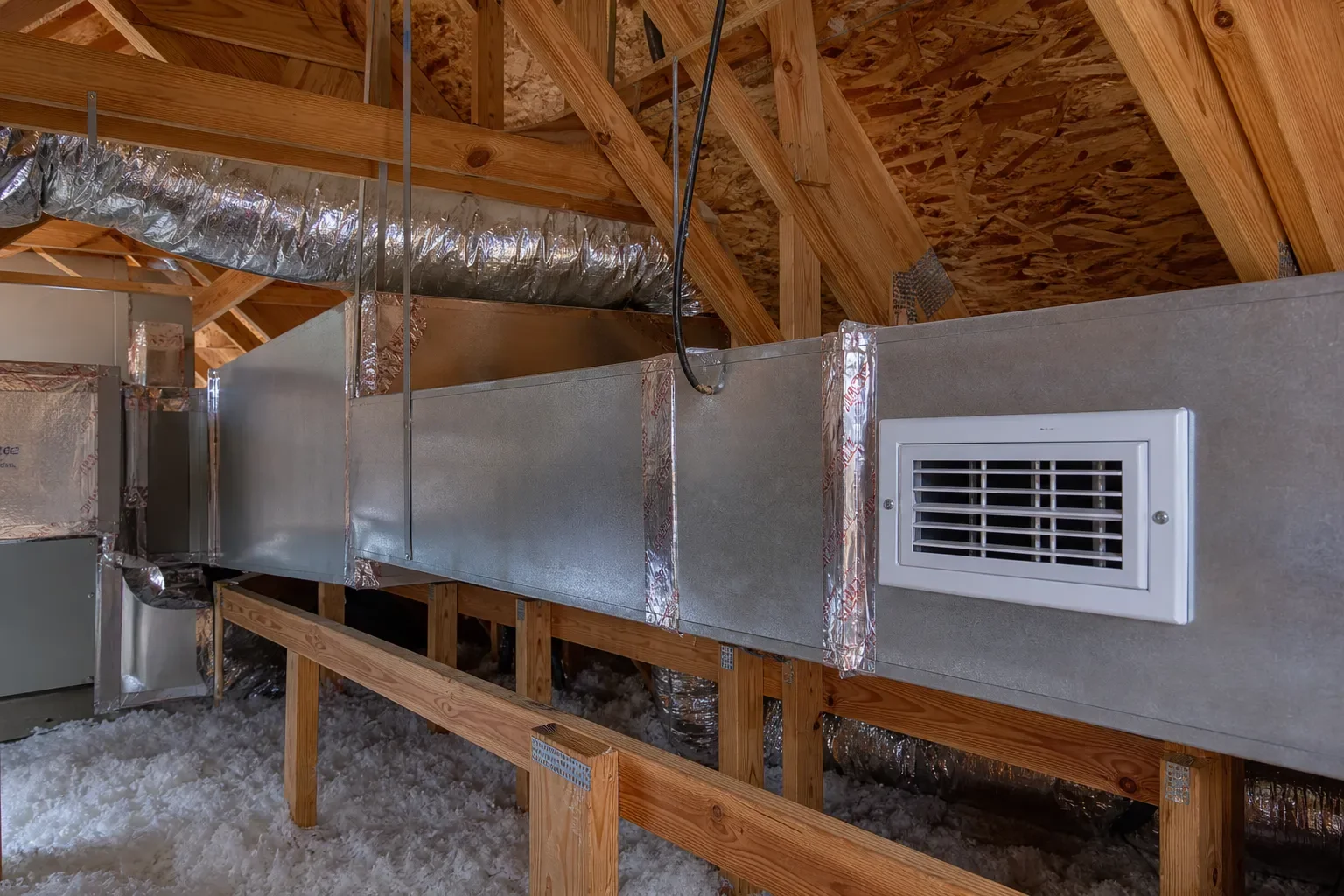
Ductwork problems are another major cause of uneven cooling. If cooled air escapes into unconditioned spaces before it reaches the intended room, comfort drops and energy waste rises. Leaky connections, disconnected sections, poor duct layout, and deteriorated insulation can all contribute. Even when the equipment itself still turns on and runs, weak duct performance can make the entire system feel undersized. In properties that have been altered over time, especially with converted rooms or additions, duct design becomes even more important. For related reading, see this post on duct considerations for changed floor plans and added spaces.
Incorrect system sizing
An air conditioner that is too small may struggle to deliver enough cooling to distant rooms during warmer weather. A system that is too large can also create problems by cooling the thermostat area too quickly and shutting off before the rest of the property catches up. Either condition can leave you with persistent hot spots, humidity imbalance, and inefficient operation. Correct sizing is one of the most important parts of successful AC installation in Pace, because replacing old equipment with the same wrong capacity simply repeats the problem. If you want a better idea of what a professional installation process should account for, this overview of what to expect from installation planning is a helpful reference.
Thermostat location or control issues
The thermostat only measures the conditions where it is installed. If it sits near a cool hallway, supply register, sunny window, or heat-producing equipment, it may tell the system to cycle on or off at the wrong time. That can leave interior rooms, upper levels, or perimeter offices feeling consistently warmer. In some cases, a thermostat issue is part of a larger pattern of system imbalance. In others, it reveals that the current setup no longer fits how the property is used. Similar symptoms are discussed in this piece on freezing issues and control-related warning signs, which shows how one symptom can point to several possible causes.
Aging equipment
Older systems often lose their ability to cool evenly long before they stop working completely. Declining blower performance, reduced refrigerant-side efficiency, worn components, and outdated design standards can all contribute to uneven comfort. You may find yourself adjusting vents, lowering the thermostat more often, or relying on fans in rooms that never seem to catch up. At that stage, repeated repairs may not restore whole-building performance. Instead, AC installation in Pace may provide the better long-term outcome by pairing modern equipment with a more accurate load calculation and a fresh review of airflow delivery.
When a Diagnostic Visit Can Clarify Repair vs. Replacement
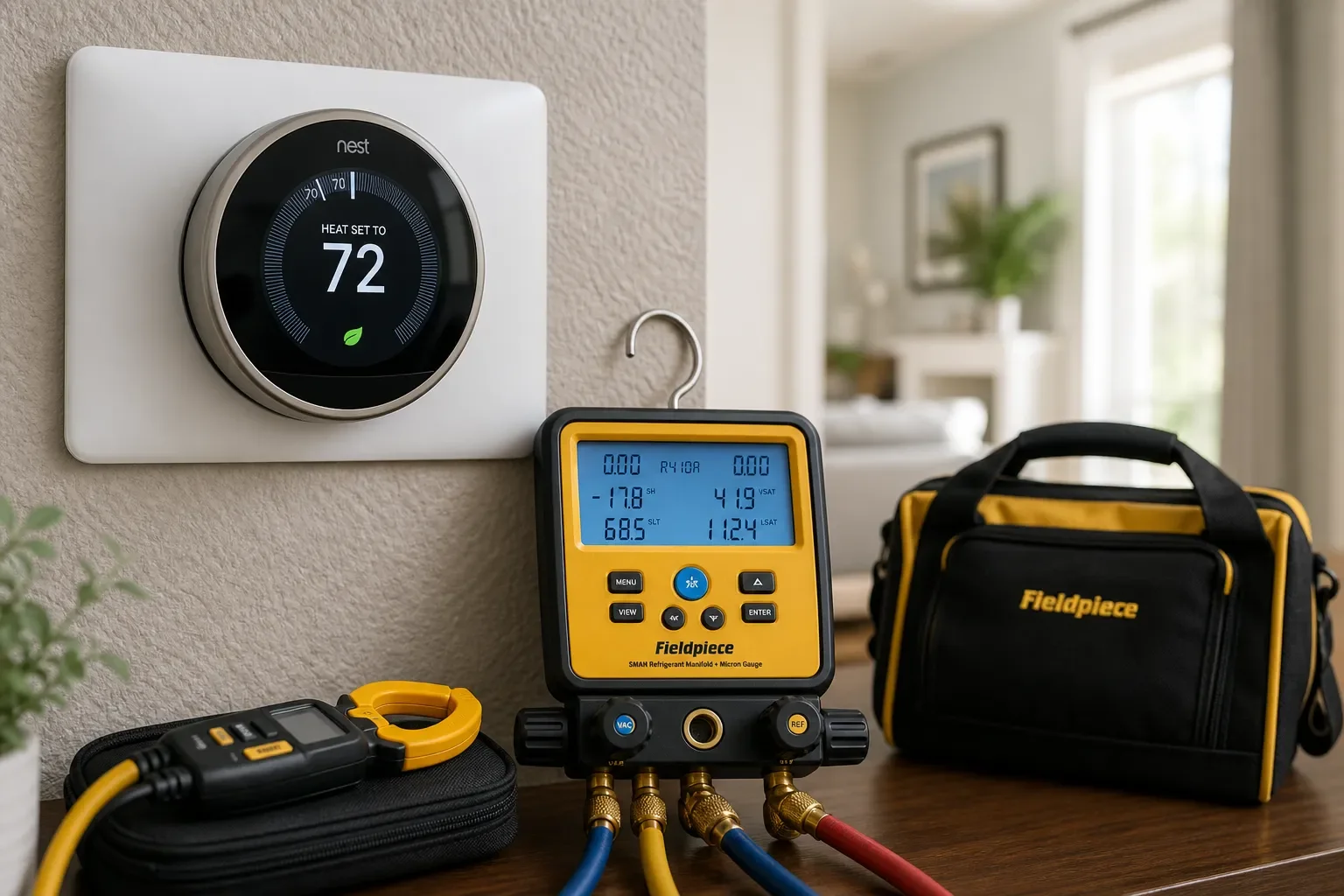
A professional diagnostic visit should do more than confirm that the air conditioner turns on. It should evaluate airflow, temperature split, duct condition, control behavior, equipment age, and whether the current system capacity is appropriate for the property. That process helps separate fixable distribution issues from signs that the equipment itself is no longer the right fit. For example, if the duct system has minor leakage but the core equipment is still in strong condition, targeted updates may help. If the system is aging, short cycling, or consistently failing to cool the full space, replacement often becomes the more practical recommendation.
Owners often ask how disruptive replacement will be. The answer depends on accessibility, equipment type, and whether any duct modifications are needed to support proper performance. This article on how long installation typically takes can help set expectations for the process. The key is that a qualified installer should not recommend new equipment without also reviewing the delivery system that carries cooled air to each room. Good results come from looking at the entire comfort system, not just the outdoor unit.
Signs AC Installation May Be the Right Next Step
- Certain rooms stay warm year after year despite prior repairs
- The current system frequently short cycles or struggles in hotter weather
- Utility costs rise while comfort declines
- The equipment is older and no longer supports even airflow
- A load calculation shows the existing system is improperly sized
- Duct updates alone would not solve the underlying equipment limitations
If several of these signs apply, replacement may be the smarter investment. New equipment gives the installer a chance to correct sizing errors, improve airflow strategy, and coordinate any duct updates needed for balanced results. It can also reduce the pattern of repeated service calls that never fully resolve the same comfort complaint. For a broader look at warning signs that point toward replacement before performance gets worse, this post on recognizing installation timing before a breakdown adds useful perspective.
What to Expect From a Quality Installation Recommendation
A strong recommendation for AC installation in Pace should be based on evidence, not pressure. That means discussing hot and cold spots in detail, reviewing the age and condition of the existing system, measuring performance, and checking whether the duct network is helping or hurting comfort. The best outcome is a recommendation that matches the property as it exists today, not as it existed years ago. If rooms have changed use, occupancy has increased, or the layout has evolved, the replacement plan should reflect those realities.
Preparation also matters. A thoughtful installation plan considers drainage, electrical compatibility, airflow setup, and any details that affect long-term reliability. While every property is different, it can be useful to see how professionals approach readiness and planning in this seasonal HVAC preparation checklist. Even though your immediate issue is uneven cooling, the bigger goal is a system that delivers consistent comfort across the entire property after installation is complete.
Conclusion
Hot and cold spots are often a warning that something in the system is no longer working as it should. Airflow restrictions, damaged ductwork, incorrect sizing, thermostat problems, and aging equipment can all lead to uneven temperatures that repairs alone may not fully resolve. A professional evaluation can identify whether the right answer is a targeted correction, duct improvement, or full AC installation in Pace. If comfort has become inconsistent from room to room, addressing the root cause now can help restore dependable performance throughout your Pace property.